
Error: Contact form not found.

Essential oils have become an important part of modern wellness routines, skincare formulations, aromatherapy practices and even household products. As people become more aware of what they are putting on their skin or inhaling daily, the process by which the essential oils are extracted has also gained equal importance.
Two of the most common and popular methods of extraction are cold pressing and steam distillation. While the aim of both these methods is to capture the aromatic essence of plants, they have a huge difference in their process, characteristics and ideal usage. Understanding these differences is helpful in selecting the right essential oil for your needs- be it for therapeutic use, cosmetic formulation or aromatherapy applications.
Cold pressed essential oils are primarily obtained from the rinds of citrus fruits like lemon, orange, bergamot and grapefruit. This method is based on the use of mechanical pressure rather than heat, which is responsible for the preservation of the natural fragrance and chemical composition of the oil.
Since there is no application of external heat, the oil retains its fresh, vibrant and uplifting aroma that is very similar to the aroma of the original fruit peel.
Also Read: How Cold-Pressing Governs The Quality of Carrier Oils
Cold pressing helps the oil keep its natural smell, so it feels fresh, light and energizing, just like the original fruit. That is why cold pressed citrus oils will often have a fresher and more vibrant smell in comparison to the oils extracted using heat based methods. The aroma feels closer to that of freshly peeled fruit, which is of high value in perfumery and aromatherapy.
As heat is not used, sensitive compounds like antioxidants and natural enzymes remain largely intact. This makes cold pressed oils especially popular in skincare and cosmetic formulations, where it is important to maintain the natural properties of the plant for nourishing and revitalizing the skin.
Cold pressing can only work with citrus fruits that have oil rich peels. This means that the range of oils that are produced by this method is limited compared to steam distillation. However, within its scope, cold pressing produces exceptional quality for citrus essential oils used in wellness, cleaning products and fragrance applications.
Steam distillation is the most commonly practiced method of extracting essential oils from a variety of plant materials such as leaves, flowers, roots, bark and seeds. In this process, steam is passed through the plant material, which releases the aromatic compounds, which are then condensed and separated to produce essential oil and water. This method has been used for hundreds of years and is trusted for its efficiency and versatility.
Steam distillation is useful with herbs, woods, spices and flowers. This makes it suitable to make oils such as lavender, eucalyptus, tea tree, peppermint, sandalwood and rosemary. This versatility is one of the biggest advantages of steam distillation, which allows access to a wide spectrum of essential oils.
The controlled use of heat ensures that the oil remains chemically stable and consistent across batches. This makes steam distilled oils perfect for large scale manufacturing, pharmaceutical applications and aromatherapy, where uniformity and consistency are key to product formulation.
Steam distilled essential oils usually have a longer shelf life when compared to cold pressed oils. The distillation process removes impurities and moisture, which could cause oxidation. This stability makes them ideal for long term storage and repeated use in commercial and therapeutic settings.
While the two extraction methods yield quality essential oils, the differences between them lie in the intensity of the aroma, chemical composition, shelf life of the oil and usage. Cold pressed oils tend to have a more intense and fresh aroma, whereas steam distilled oils tend to have a more rounded and balanced scent profile. These differences affect how and where the oils are best used.
Cold pressed oils tend to have a sharper and brighter fragrance. That is why they are commonly used in perfumes, room fresheners and mood enhancing blends. Steam distilled oils, on the other hand, offer a deeper and more complex aroma that is preferred in therapeutic and medicinal applications.
Cold pressed oils preserve heat sensitive compounds, which makes them perfect for use in topical skincare and cosmetics. Steam distilled oils often lose some delicate components during the heating process, though they gain stability and consistency, which is helpful for aromatherapy and wellness products.
Cold pressed oils oxidize faster because of the presence of natural compounds from the fruit peel. Steam distilled oils, being more refined, tend to last longer when stored properly. This difference plays an important role for businesses and consumers who are concerned about longevity and storage convenience.
Choosing between cold pressed and steam distilled essential oils depends largely on the intended application. There is no “best” method, but rather the right method for the right purpose. Understanding how each type performs in different scenarios helps users to make informed decisions.
Steam distilled essential oils are often preferred in aromatherapy because of their balanced chemical composition and consistent aroma. Oils such as lavender, eucalyptus and frankincense that are extracted using the steam distillation method are very popular for relaxation, respiratory support and emotional well being.
Both types are used in natural cleaning solutions, but cold pressed citrus oils are highly valued for their fresh scent and grease cutting properties. Steam distilled oils such as tea tree and eucalyptus are preferred for their purifying and antimicrobial qualities in household formulations.
Cold pressed oils are used in skincare products commonly due to their fresh aroma and nutrient rich profile. Citrus oils extracted using cold pressing are popular in facial cleansers, serums and natural beauty products that focus on brightening and refreshing the skin.
When you compare cold pressed vs. steam distilled essential oils, it is quite clear that each method offers unique benefits. Cold pressed oils stand out for their fresh aroma, natural composition and suitability for skincare and fragrance applications. Steam distilled oils are the best in versatility, stability and therapeutic effectiveness across a wide range of plant sources.
The best essential oil is not defined by the extraction process alone but by how well it aligns with the purpose for which you are buying it and how well it matches your quality expectations and personal preferences. By understanding these differences, consumers and businesses can confidently make informed decisions when selecting essential oils that offer both performance and purity.
As a trusted name in the essential oil industry, Sivaroma is known for its focus on purity and quality. We use modern extraction methods and strict quality checks to produce both cold pressed and steam distilled essential oils with great care. So, if you are looking for natural, safe and reliable essential oils, Sivaroma is a name you can trust!
Continue Reading: The Science Behind Essential Oil Extraction: Methods and Their Impact on Quality



Essential oils have captured the fascination of many due to their incredible aromatic properties and potential therapeutic...
Read More
Pregnancy is a joyful and life-changing time. But sometimes, it also becomes stressful because it comes with...
Read More
In 2022, the global market for essential oils was valued at approximately $8.8 billion. It is expected...
Read More
Traveling is exciting, but it can also come with challenges like jet lag, stress and motion sickness....
Read More
The coconut tree is referred to as the "Tree of Life" and people have been using its...
Read More
Perfume oils are scented liquids made to smell pleasant and appealing. They are usually created using natural...
Read More
Essential oils are highly concentrated forms of the plant’s beneficial aromatic components or those created during the...
Read More
A dry nose is a common problem that many people experience at some point in their lives....
Read More
Extracted from the peppermint plant, peppermint oil has been used for centuries to treat a wide range...
Read More
Alternative medicines, including essential oils, have become a common part of many households as they offer various...
Read More
One remarkable characteristic of essential oils is that they have been used both as ancient traditional and...
Read More
The self-care landscape has changed in a significant way over the last few years. More people are...
Read More
Today, premature hair greying has become a common concern for many individuals, regardless of age. This problem...
Read More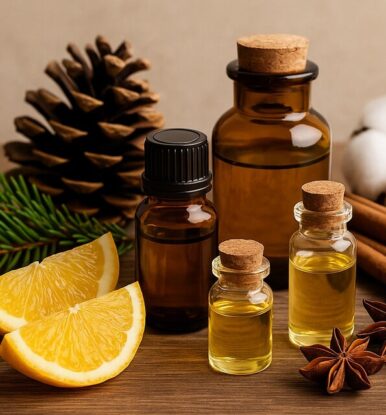
As autumn fades and the beautiful leaves fall, we are left with bare trees, and the crisp...
Read More
The essential oil quality is of prime importance for consumers as well as businesses that use the...
Read More
In our fast-paced world, quality sleep often takes a backseat. Stress, anxiety, and the overwhelming demands of...
Read More
Oregano oil offers several potential health benefits, including fighting certain bacteria, reducing inflammation and acting as an...
Read More
Have you ever thought about using essential oils for kids? Or have you asked yourself are essential...
Read More
Many people use essential oils for things like easing headaches, calming down during meditation or simply making...
Read More
Derived from the lavender plant (Lavandula Angustifolia), the lavender essential oil is widely known for providing a...
Read More