Error: Contact form not found.
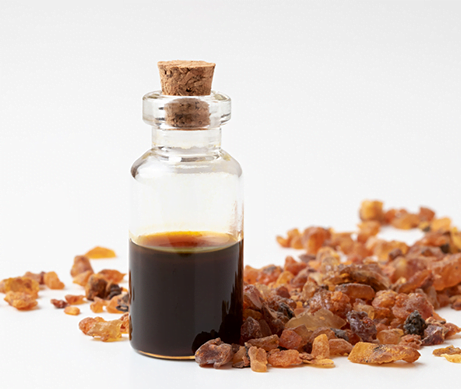
Myrrh oil is a deep, aromatic essential oil steam-distilled from the resin of the Commiphora myrrha tree, native to northeastern Africa and southwest Asia. Valued for centuries in traditional medicine, spiritual rituals, and skincare, it carries a warm, balsamic scent that blends well with frankincense, sandalwood, and lavender. Its natural anti-inflammatory and antibacterial properties make it a sought-after ingredient in premium cosmetics, wellness formulations, massage blends, and aromatherapy products.
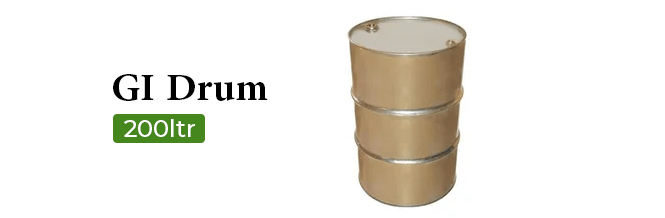
For brands and formulators looking to source myrrh oil wholesale, batch consistency and verified purity are critical. Sivaroma Naturals delivers 100% pure, therapeutic-grade myrrh oil backed by GC/GCMS testing and international certifications including USFDA, ISO 9001:2015, Halal, and Kosher. With over 25 years of manufacturing expertise and the capacity to fulfill large volume orders, we support cosmetic brands, wellness companies, and private label manufacturers across global markets.
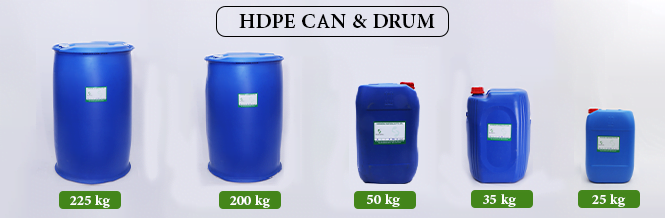
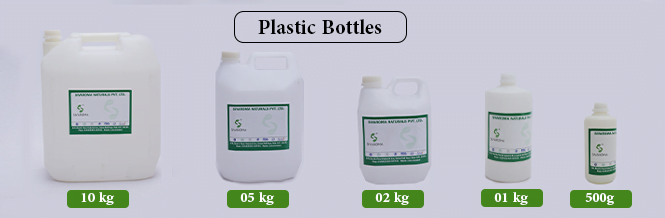
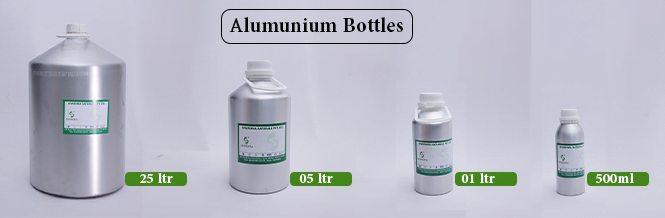
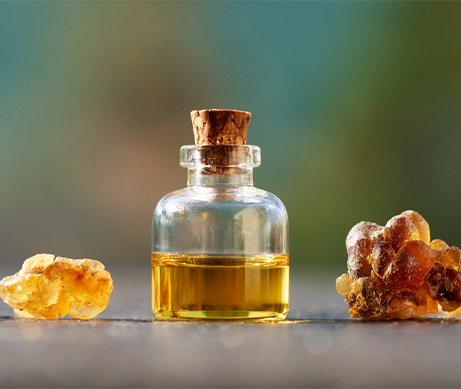
Myrrh oil is an essential oil extracted through steam distillation of the hardened resin from the Commiphora myrrha tree. The resin is collected by making small incisions in the bark, allowing the sap to dry into tear-shaped pieces. These resin tears are then processed using controlled steam distillation to yield a concentrated oil with a warm, earthy, and slightly sweet aroma. The resulting oil retains the bioactive compounds found in the raw resin, making it suitable for use in skincare, aromatherapy, and therapeutic formulations.
Myrrh oil is widely used in anti-aging serums, moisturizers, and healing balms because of its skin-soothing and restorative qualities. In aromatherapy, it serves as a grounding and calming agent, often diffused on its own or blended with complementary oils like frankincense and cedarwood. Wellness brands also incorporate it into massage blends and oral care products. Businesses sourcing myrrh oil wholesale often use it across multiple product lines, from premium skincare to spiritual wellness collections, due to its versatility and consumer appeal.
Myrrh oil should be kept in dark, amber-colored glass bottles, stored in a cool and dry environment away from direct sunlight and heat. Exposure to air, light, or temperature fluctuations can degrade the oil and reduce its therapeutic properties over time. When stored correctly, myrrh oil can maintain its potency for two to three years. For bulk buyers, it is important to ensure that suppliers provide properly sealed containers and include batch-specific documentation such as certificates of analysis for quality verification.
Buyers should confirm that their supplier holds recognized certifications such as ISO 9001:2015, USFDA registration, WHO GMP compliance, Halal, Kosher, HACCP, and FSSAI approvals. These certifications indicate that the manufacturing facility follows standardized quality control, hygiene, and safety protocols. Batch-level GC/GCMS testing reports and certificates of analysis (COA) are equally important, as they confirm the chemical composition and purity of each shipment. Verified certifications reduce compliance risks and build confidence across regulated markets.
Myrrh oil is a concentrated essential oil and should always be diluted with a suitable carrier oil before topical application. Common carrier oils for blending include jojoba, sweet almond, and coconut oil. A general guideline is to use two to three drops of myrrh oil per teaspoon of carrier oil. Applying undiluted essential oil directly to skin may cause irritation or sensitivity, especially for those with reactive skin types. For product formulators, recommended usage rates in finished cosmetic products typically range from 0.5% to 2%.