Error: Contact form not found.
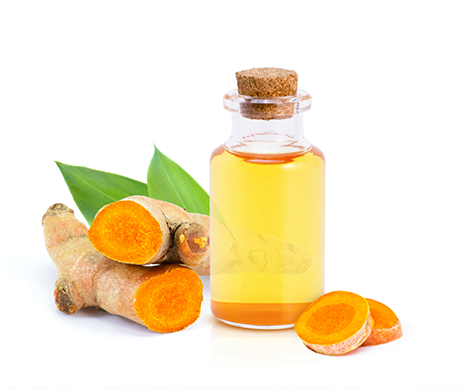
Turmeric oil is steam-distilled from the rhizomes of Curcuma Longa, a plant native to India and Southeast Asia. It carries a warm, earthy aroma and is rich in active compounds like ar-Turmerone, alpha-Turmerone, and Curcumin. These make it a valued ingredient in skincare formulations, aromatherapy blends, herbal remedies, and wellness products.
Sivaroma Naturals is one of the most trusted turmeric oil manufacturers in India, with over 25 years of experience in natural oil production. Every batch is processed through controlled steam distillation to retain full potency and purity. With 500+ products, international certifications (USFDA, WHO GMP, ISO 9001:2015, Halal, Kosher, HACCP, FSSAI), and a 15 tons per day production capacity, we support brands, formulators, and bulk buyers across domestic and international markets.
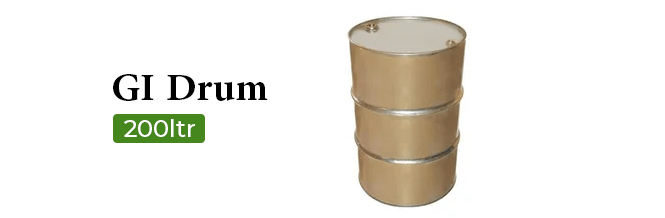
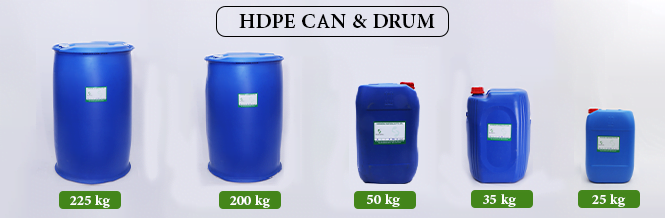
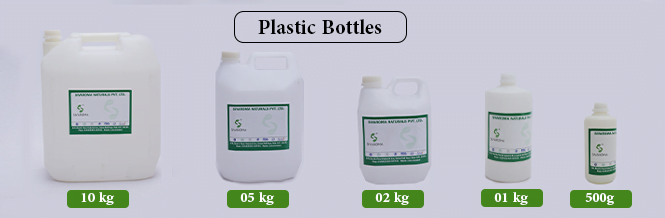
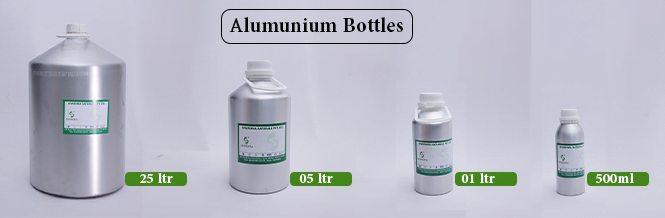
The most important factors are extraction method, purity testing, and certification compliance. Reliable turmeric oil manufacturers use controlled steam distillation from quality rhizomes and provide batch-specific documentation, including certificates of analysis. Look for certifications like ISO 9001:2015, WHO GMP, USFDA, Halal, and Kosher to confirm regulatory readiness. Consistency across batches matters too, especially for skincare and wellness formulations where even minor variation can affect the final product. Sivaroma Naturals meets all these benchmarks and has served 1500+ clients across multiple industries for over two decades.
Experienced turmeric oil suppliers follow strict quality protocols at every stage, from sourcing raw rhizomes to final packaging. This includes GC/GCMS testing to verify the presence of key compounds like ar-Turmerone and alpha-Turmerone, along with checks for specific gravity, refractive index, and optical rotation. Reputable suppliers also maintain proper storage conditions to preserve shelf stability and prevent degradation. Buyers should request a certificate of analysis with each shipment and confirm that the supplier holds recognized certifications relevant to their target market.
Yes. Turmeric oil is widely used in cosmetic and skincare products because of its natural compound profile, particularly Curcumin and Turmerones. It appears in face serums, brightening creams, anti-blemish treatments, body oils, and soap formulations. Cosmetic formulators typically work with steam-distilled turmeric oil due to its cleaner profile compared to solvent-extracted alternatives. When sourcing for cosmetic use, it is essential to verify that the oil meets cosmetic-grade standards and comes with full documentation. This protects both the formulator and the end consumer.
Sourcing from turmeric oil exporters based in India typically starts with a product inquiry and sample request. The exporter shares technical specifications, pricing for your required volume, and relevant certifications. Once approved, bulk orders are processed with proper export documentation, including phytosanitary certificates and customs paperwork. India is one of the largest producers of turmeric globally, which gives Indian turmeric oil exporters an advantage in terms of raw material access, competitive pricing, and supply reliability throughout the year.
Many established turmeric oil suppliers offer private labeling and custom formulation services alongside standard bulk supply. This means brands can get turmeric oil packaged under their own label, or blended into custom formulations tailored to specific product lines. When evaluating a supplier for private label work, check their manufacturing capacity, minimum order flexibility, and whether they provide design and regulatory support. Sivaroma Naturals, for instance, supports private label projects with flexible MOQs, in-house testing, and documentation for domestic as well as international compliance.