
Error: Contact form not found.
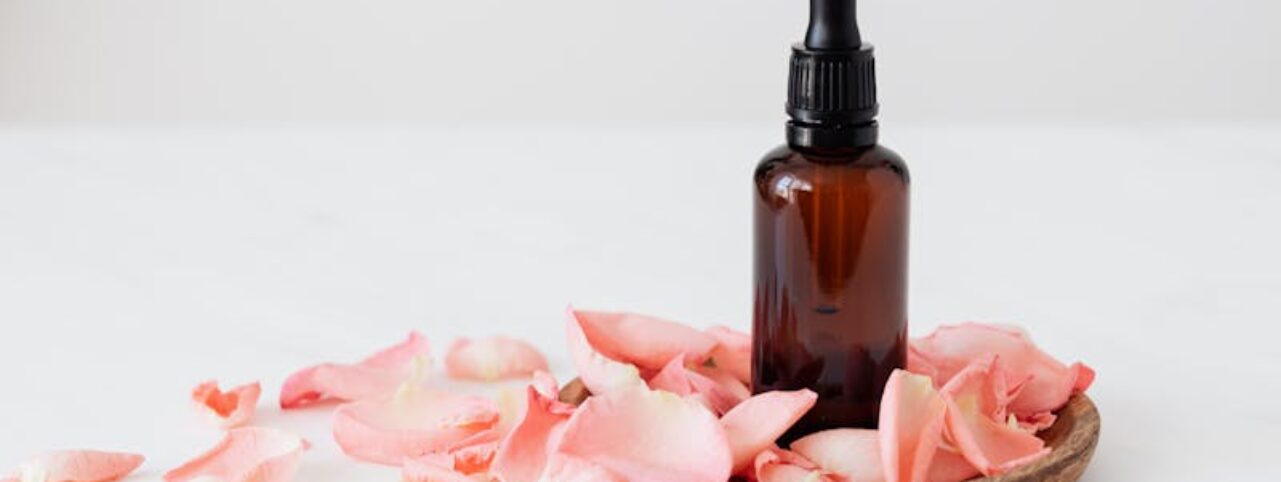
Rose water has been used in skincare across cultures for centuries, from Ayurvedic beauty rituals in India to Persian and Mediterranean skin preparations. What has changed in recent years is not the ingredient itself, but its positioning. Rose water has moved from a traditional home remedy to a high-demand functional ingredient in commercial skincare formulations.
For cosmetic formulators, private label brand owners, and skincare manufacturers, rose water offers a rare combination of consumer appeal and formulation versatility. It works across product categories (toners, mists, serums, cleansing milks, sheet mask solutions, and even hair care preparations) while carrying a clean-label profile that aligns with the growing consumer demand for natural, transparent ingredients.
This guide breaks down the specific skin benefits of rose water, its applications across product development, the quality parameters B2B buyers should evaluate, and the sourcing considerations that separate premium hydrosols from diluted commercial alternatives.
Rose water functions as a natural humectant, helping skin attract and retain moisture. In formulations, it serves as a water-phase base that delivers lightweight hydration without leaving a greasy residue. This makes it particularly effective in toners, facial mists, and hydrating serums designed for daily use. For brands targeting dry or dehydrated skin segments, rose water provides a functional foundation that can be layered with hyaluronic acid, glycerin, or panthenol for enhanced moisture delivery.
Rose water has a naturally mild pH (typically between 4.0 and 4.5) that closely matches the skin’s acid mantle. In toner and cleanser formulations, this helps restore pH balance after cleansing without stripping the skin’s protective barrier. For formulators working on gentle or sensitive-skin product lines, rose water provides a non-irritating base that supports barrier integrity and reduces the risk of post-cleansing tightness or dryness.
Rose water contains naturally occurring compounds with anti-inflammatory activity, including citronellol, geraniol, and nerol. These properties make it a relevant ingredient for formulations targeting skin sensitivity, redness, and irritation. Products positioned for reactive skin types, post-procedure care, or calming after-sun applications benefit from rose water’s soothing profile. When combined with complementary botanicals like lavender or chamomile, the anti-inflammatory effect is further enhanced.
The phenolic compounds and flavonoids present in rose water contribute mild antioxidant activity, helping neutralize free radicals that accelerate skin ageing. While rose water alone is not a high-potency antioxidant, it works synergistically with active ingredients like vitamin C, niacinamide, and green tea extract in anti-ageing and brightening formulations.
Beyond its functional properties, rose water adds a distinctive sensory dimension to skincare products. Its soft, floral aroma is universally appealing and reduces the need for synthetic fragrance additives. For clean beauty brands, this is a significant formulation advantage. Rose water delivers both functional benefit and consumer-friendly sensory experience in a single ingredient.
Rose water’s versatility is one of its strongest assets for product developers. It is used as a primary water-phase ingredient in facial toners and mists, where it replaces plain distilled water with a functionally active base. In cleansing milks and micellar waters, it adds soothing properties alongside gentle makeup removal. Sheet mask solutions use rose water as the soaking medium for hydration-focused masks. In serums and ampoules, it pairs well with active concentrates. Hair care brands are also incorporating rose water into leave-in conditioners and scalp sprays for its calming and conditioning effects.
For brands exploring product extensions, rose water blends well with carrier oils like jojoba and rosehip in oil-in-water emulsions, and with herbal extracts such as aloe vera and turmeric in Ayurvedic-inspired skincare lines.
Not all rose water is the same. The difference between a premium hydrosol and a diluted commercial product can directly impact formulation performance, shelf stability, and consumer satisfaction.
Source Variety: Rosa damascena (Damask rose) is the gold standard for skincare-grade rose water. It offers a richer aromatic profile and higher concentration of beneficial compounds compared to Rosa centifolia or synthetic alternatives.
Production Method: True rose water (hydrosol) is a co-product of steam distillation. It naturally contains water-soluble aromatic compounds from the petals. Reconstituted rose water, made by adding rose essential oil or fragrance isolates to water, lacks the full phytochemical complexity of a genuine hydrosol.
Purity and Testing: Reputable suppliers provide batch-specific certificates of analysis (COA) confirming the absence of synthetic additives, preservatives, and alcohol. GC/GCMS testing verifies the volatile compound profile and confirms authenticity. A comprehensive guide to evaluating essential oil and hydrosol quality offers practical benchmarks.
Certifications: International standards such as Halal, Kosher, USFDA, WHO GMP, ISO 9001:2015, HACCP, and FSSAI provide a verifiable quality framework for B2B procurement.
Sivaroma Naturals, with 25+ years in natural oils and herbal extract manufacturing and a portfolio of 500+ products, is one of the most established natural essential oils suppliers in the Indian market. Holding certifications including Halal, Kosher, USFDA, WHO GMP, ISO 9001:2015, HACCP, and FSSAI, their facility operates at 15 tons daily capacity, serving 1,500+ clients across India, the USA, Canada, Europe, and the Gulf. Their complete product range spans essential oils, carrier oils, herbal extracts, absolute oils, and Ayurvedic formulations. For brands looking to develop rose water based skincare lines, Sivaroma also provides private label services with custom formulation and packaging support, making them a strong partner for businesses evaluating essential oils wholesale India sourcing options.
The global natural skincare market continues to expand, with consumer preference shifting toward minimal, clean-label formulations. Rose water fits this trend precisely. It is a recognizable, trusted ingredient that requires no consumer education, making it easier for brands to build product stories around it.
India’s position as a source for premium rose water and rose-derived ingredients continues to strengthen. The country’s established rose cultivation in regions like Rajasthan, Uttar Pradesh, and Uttarakhand, combined with a growing network of GMP-certified distillation facilities, makes India a competitive sourcing destination. Regulatory tightening in the EU and US around ingredient transparency further benefits suppliers with documented traceability and batch-level quality documentation.
If your brand is developing toners, facial mists, hydrating serums, or clean-label skincare products, the quality of your rose water supply will directly shape the consumer experience. Sivaroma Naturals offers an extensive range of natural oils, herbal extracts, and botanical ingredients backed by 25+ years of manufacturing expertise and rigorous lab testing.
To request samples, discuss custom formulations, or place a bulk order, reach out at sales@sivaroma.com (domestic) or intsales@sivaroma.com (international).
Rose water provides hydration, pH balancing, anti-inflammatory soothing, mild antioxidant activity, and natural fragrance. As a formulation ingredient, it serves as a functional water-phase base in toners, mists, serums, and cleansing products. Its gentle profile makes it suitable for all skin types, including sensitive and reactive skin.
Rose hydrosol is the genuine co-product of steam distillation, containing naturally occurring water-soluble compounds from rose petals. Commercial rose water is often reconstituted by adding rose essential oil or fragrance isolates to distilled water. Hydrosols offer a fuller phytochemical profile and are preferred for skincare formulations where functional efficacy matters.
Look for ISO 9001:2015, WHO GMP, FSSAI, Halal, and Kosher certifications. Every supplier should provide batch-specific certificates of analysis (COA) with GC/GCMS testing confirming composition and absence of synthetic additives. For export markets, USFDA compliance adds another layer of regulatory readiness.
Yes. Established manufacturers offer private label services that include custom rose water blends (combining hydrosol with complementary botanical extracts), branded packaging, regulatory documentation, and flexible order quantities. This allows brand owners to launch rose water based product lines without investing in distillation infrastructure.
India has a deep tradition in rose cultivation, particularly Rosa damascena grown in Rajasthan and Uttar Pradesh. The country offers competitive production costs, established steam distillation infrastructure, and a growing base of internationally certified manufacturers. India’s heritage in Ayurvedic skincare further positions it as a credible and experienced source for rose-derived ingredients.


The skincare industry is undergoing a quiet but decisive shift. Brand owners, formulators, and procurement teams are...
Read More
Pain is something many of us experience, and it can make everyday tasks difficult. While regular pain...
Read More
Derived from the lavender plant (Lavandula Angustifolia), the lavender essential oil is widely known for providing a...
Read More
Sore throat products remain one of the most crowded shelves in over-the-counter wellness, and formulators feel the...
Read More
Tea tree oil is one of the most popular and widely used essential oils today. It has...
Read More
People have been using sesame oil for many years as an organic product that promotes healthy hair....
Read More
Perfumes are made using different types of fragrant chemicals. Aromatic chemicals are essential elements that make up...
Read More
The global essential oils market is booming upwards. Sourcing decisions made today, particularly for cosmetic brands, pharmaceutical...
Read More
Traveling is exciting, but it can also come with challenges like jet lag, stress and motion sickness....
Read More
Essential oils are highly concentrated oils that capture the unique fragrance and properties of a specific part...
Read More
The essential oil quality is of prime importance for consumers as well as businesses that use the...
Read More
Fatigue and low energy are some of the most commonly reported issues among today's modern workforces and...
Read More
Bulk essential oil inventory sits on the balance sheet as working capital, and poor storage can quietly...
Read More
Fine lines and wrinkles rank among the most searched skincare concerns of 2025, and formulators worldwide are...
Read More
Essential oils have become an important part of modern wellness routines, skincare formulations, aromatherapy practices and even...
Read More
As we grow older, our skin can become loose and less firm. In this case, we tend...
Read More
Many people are turning to natural remedies to enhance their overall well-being. Aromatherapy is one such practice...
Read More
The self-care landscape has changed in a significant way over the last few years. More people are...
Read More
Natural oils have long been an essential part of skincare traditions across cultures for centuries. When oils...
Read MoreScents are not just something you wear; they can affect how you feel, boost your confidence and...
Read More