
Error: Contact form not found.

Massage therapy has moved well beyond the spa cabin. Physiotherapy clinics, Ayurvedic centers, sports recovery studios, and cosmetic brands now design entire product lines around one question: which base oil actually performs on skin, muscles, and joints? Olive oil keeps returning to that shortlist, and for good reason. It has a long medicinal history across Mediterranean and South Asian traditions, a well-studied lipid profile, and enough versatility to sit inside massage blends, therapeutic ointments, and private label wellness kits.
For B2B buyers, the conversation is rarely romantic. Formulators care about oleic acid content, oxidative stability, and batch-to-batch consistency. This guide walks through why olive oil earns its place in modern massage therapy, and how to evaluate the right sourcing partner for your product line.
Massage oils have one core job: reduce friction while supporting the therapist’s technique and the skin’s condition. Olive oil delivers on both counts because of its natural composition.
The oil is dominated by oleic acid, a monounsaturated fatty acid that closely mirrors the skin’s own sebum. This structural similarity helps it spread evenly, absorb at a moderate pace, and stay on the surface long enough for the therapist to complete effleurage, petrissage, and deep tissue strokes without constant reapplication. It also carries squalene, polyphenols, and vitamin E, which shape the after-care feel of a quality treatment.
For Ayurvedic and therapeutic applications, olive oil works as a medium-heavy base that can be warmed for abhyanga-style massages, blended with herbal decoctions, or infused with essential oils. Its mild aroma keeps the fragrance direction flexible for brands designing a signature scent identity.
The benefits fall into three buckets: performance during the massage, skin condition afterwards, and formulation flexibility.
Olive oil pairs well with almond, jojoba, and coconut oils. Buyers can explore complementary bases through the wider carrier oils range to design multi-oil blends that meet specific viscosity and absorption targets.
Not every grade belongs in a massage bottle. Formulators typically evaluate three:
The right choice depends on the end use, price point, and how the product is marketed. A premium aromatherapy brand may pay for extra virgin, while a physiotherapy chain buying in bulk will often prefer a refined grade. Buyers building a therapeutic line can review the massage oils portfolio to see how grades map to different treatment categories.
Wholesale procurement is where good ingredients turn into good products, or where things quietly go wrong. Before signing a supply agreement, procurement teams should ask for documentation on the following:
Reputable olive oil suppliers share this paperwork proactively rather than treating it as a favor. For private label and custom formulation projects, buyers should also confirm that the manufacturer can hold the same specification across repeat orders, since batch drift is a common reason brands lose consistency mid-lifecycle.
Demand for olive oil is holding firm across food, cosmetics, and wellness categories. According to Fortune Business Insights, the global olive oil market was valued at USD 19.42 billion in 2025 and is projected to reach USD 34.17 billion by 2034 at a CAGR of 5.97 percent. A meaningful share of that growth is coming from non-food applications including massage, skincare, hair care, and pharmaceutical carriers.
For Indian manufacturers and olive oil exporters, this creates a dual opportunity. Domestic wellness brands are expanding fast, and international buyers in North America, Europe, and the Gulf want certified partners who can deliver food-grade and cosmetic-grade material at scale, with documentation that clears customs and passes retailer audits.
Sivaroma Naturals brings 25+ years of manufacturing experience and a 500+ product portfolio to brands building massage, wellness, and Ayurvedic lines. With a 15-ton daily capacity and certifications spanning USFDA, WHO GMP, ISO 9001:2015, HACCP, Halal, Kosher, and FSSAI, the company supports clients across 40+ export markets.
Brands often start with a small custom blend and scale into full private label ranges. That path is easier when the supplier already stocks complementary essential oils, carrier oils, and herbal extracts under one roof. Teams planning a new launch can reach out through the contact page to discuss sampling, MOQs, and specification sheets.
Brands planning a new massage line, private label range, or bulk order can request samples, catalogs, and quotations from the Sivaroma Naturals sales team at sales@sivaroma.com or intsales@sivaroma.com. Custom formulations, blending support, and export documentation are available for cosmetic, pharmaceutical, aromatherapy, and Ayurvedic buyers.
Yes, olive oil is generally safe for daily body massage when the grade matches the application. Cosmetic-grade or high-quality refined olive oil suits routine use because it is well tolerated on most skin types and absorbs at a comfortable rate. For dry or mature skin, a virgin or extra virgin grade adds antioxidant support. People with a known olive allergy should patch test first. For infant or post-surgical use, select a grade tested for sensitive applications and confirm the certificate of analysis. Brands formulating daily-use products often blend olive oil with lighter carriers such as almond or jojoba to fine-tune absorption and finish.
Both come from the same fruit but are processed and tested for different end uses. Cooking-grade olive oil is regulated for food safety and flavor. Cosmetic-grade olive oil is filtered and tested against parameters that matter for skin contact, including peroxide value, free fatty acids, heavy metals, and microbial load, with a certificate of analysis suited to personal care regulations. Buyers building massage, skincare, or Ayurvedic products should always source cosmetic-grade material from a manufacturer that provides compliance certificates aligned with the destination market.
Yes, and it is one of the most common blending choices in the massage category. Olive oil serves as a stable carrier that dilutes essential oils to a skin-safe concentration, typically one to three percent for body massage. Its mild aroma allows top notes like lavender, eucalyptus, peppermint, or frankincense to lead the sensory profile. Formulators should account for the oil’s medium-heavy body when balancing viscosity, and may combine it with lighter carriers if a faster absorption profile is required.
Bulk olive oil should be stored in food-grade, opaque containers at a stable cool temperature away from direct sunlight. Exposure to heat, light, and oxygen accelerates oxidation and shortens shelf life. Warehouses handling large volumes should track batch numbers, rotate stock on a first-in-first-out basis, and monitor peroxide value periodically. Certified manufacturers document these conditions and share them with buyers as part of the quality dossier, which also protects the brand during retailer audits.
Indian manufacturers ship olive oil and olive-based formulations to buyers across North America, Europe, the Gulf region, Southeast Asia, and parts of Africa. Demand is strongest from private label brands, aromatherapy businesses, Ayurvedic exporters, and wellness retailers who need certified, documented supply. Buyers usually shortlist Indian partners based on international certifications, export experience, and the ability to deliver both cosmetic-grade and food-grade material with matching paperwork.


What Is A Carrier Oil? Carrier oils are oils also known as vegetable oils, fixed oils, or...
Read More
Natural skin care is gaining popularity every year. Consumers now look for safe, vegetarian, and skin-friendly products....
Read More
When making the perfect perfume, carrier oils are an important part of the process. The type of...
Read More
For cosmetic formulators and wellness brand owners, carrier oils are not optional ingredients. They are the backbone...
Read More
Why Neem Oil Is a Preferred Organic Solution for Rose Care Roses are among the most commercially...
Read More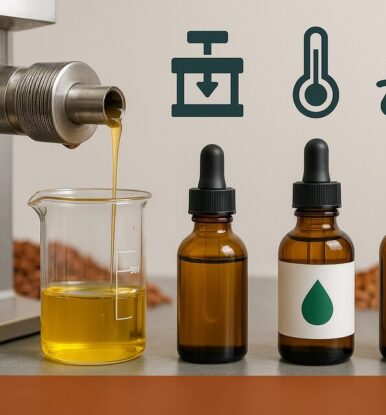
Carrier oils are considered an important component of natural skincare, aromatherapy, and many wellness routines. They are...
Read More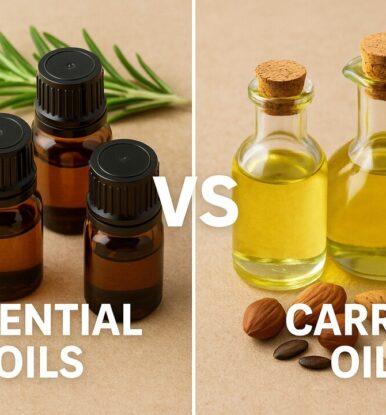
Oils have significantly gained popularity and have become an essential part of our lives. From being present...
Read More
Carrier oils are vegetable oils that come from the fatty parts of plants, usually the seeds, nuts...
Read More
Yeast infections remain one of the most common concerns brought to formulators of intimate care, topical wellness,...
Read More
Neem trees are known as “Sarva Roga Nivarini” in ancient Ayurvedic texts, which means “Healer of All...
Read More
Lace bugs quietly ruin ornamental gardens, tea plantations, and landscape nurseries every season. Growers often notice the...
Read More
Hair thinning, breakage and slow growth are among the most searched concerns in the personal care space....
Read More
Pet parents are always looking for things that are natural and effective in order to keep their...
Read More