
Error: Contact form not found.

Lace bugs quietly ruin ornamental gardens, tea plantations, and landscape nurseries every season. Growers often notice the damage only when leaves turn stippled and pale, by which point populations have exploded on the undersides of the foliage. Chemical insecticides handle the problem, but they also harm pollinators and leave residues that clash with organic certification goals. Neem oil offers a cleaner path. Cold pressed from the seeds of the Azadirachta indica tree, it disrupts lace bug feeding, molting, and reproduction without wiping out beneficial insects. This guide covers how neem oil works on lace bugs, how to apply it correctly, and what garden product brands and horticulture buyers should look for when sourcing bulk material.
Lace bugs (family Tingidae) are small sap sucking insects, usually 3 to 5 mm long, named for the delicate lace like pattern on their wings. Common species include the azalea lace bug, sycamore lace bug, hawthorn lace bug, and rhododendron lace bug. Adults and nymphs feed on the undersides of leaves, piercing plant tissue and draining chlorophyll.
Classic signs of a lace bug infestation include:
According to guidance from the University of Maryland Extension, lace bug injury is often mistaken for spider mite damage, so confirming the pest before treatment matters. Left unchecked, repeat seasons of feeding can stunt azaleas, pieris, and other broadleaf evergreens.
Neem oil is not a chemical knock down spray. Its effectiveness comes from a mix of natural compounds, chiefly azadirachtin, along with nimbin, salannin, and fatty acids. These work on lace bugs in three ways:
The United States Environmental Protection Agency classifies cold pressed neem oil and its active ingredient azadirachtin as reduced risk biopesticides suitable for a wide range of crops. Because the mode of action targets insect physiology rather than mammalian nerves, neem is a strong fit for growers who want to keep pollinators, ladybugs, lacewings, and predatory mites active in the same garden. Peer reviewed research indexed on PubMed Central also points to neem’s low persistence in soil, which supports its role in integrated pest management programs.
Timing and coverage decide whether a neem spray works or fails. Lace bugs feed on the undersides of leaves, so a top down spray misses the target entirely. Follow this simple protocol:
For larger nurseries, a knapsack or motorized sprayer with adjustable nozzles gives more uniform coverage. A firm water rinse the day before spraying dislodges fecal spots and improves contact. If additional carrier oils are used as spreaders in commercial formulations, verify compatibility with your azadirachtin concentration before scaling up.
Sourcing Neem Oil for Farms, Nurseries, and Garden Product Brands
For commercial growers and organic input brands, the real question is not whether neem works, it is whether the batch in front of them is potent, clean, and consistent. Bulk buyers who purchase neem oil wholesale should evaluate suppliers on four points:
India remains the global hub for authentic neem material because the tree grows natively and traditional processing knowledge runs deep. Established neem oil manufacturers in the country ship to formulators in the United States, Canada, Europe, and Gulf markets, often supporting private label and custom blending programs. Sivaroma Naturals, with 25 plus years in essential oils and cold pressed carrier oils and a daily manufacturing capacity of 15 tons, offers bulk neem oil that meets these benchmarks along with batch specific documentation for regulated markets.
Neem breaks down within days in sunlight and soil, which is why residue on edible ornamentals or herb gardens stays negligible. For brands building organic labelled sprays, working directly with a manufacturer on custom formulations helps lock in a stable emulsion system suited to the target crop.
Global demand for biopesticides continues to accelerate. Industry analyst reports published through 2025 point to strong growth for neem based formulations, driven by tighter European Union residue limits, expanding organic acreage in North America, and rising retailer demand for pollinator safe garden products. The Grand View Research biopesticides outlook indicates azadirachtin will remain one of the leading botanical actives through 2026 as growers shift away from neonicotinoids. For garden brand owners, this is the moment to secure reliable neem supply agreements and lock in cold pressed material before seasonal price swings arrive.
Contact our team at intsales@sivaroma.com for wholesale pricing, samples, or a private label discussion. As one of India’s trusted natural oil manufacturers and exporters, Sivaroma Naturals ships documented, certification backed neem oil to formulators across 40 plus countries.
Neem oil does not kill lace bugs on contact the way synthetic insecticides do. Antifeedant effects begin within hours of application, meaning nymphs and adults stop feeding almost immediately. Full population decline usually takes 7 to 14 days across two or three spray cycles, because azadirachtin needs time to disrupt molting and reproduction. For heavy infestations, growers often see visible reductions after the second application, along with fewer new stipple marks on emerging leaves. Consistency matters more than concentration in most field situations.
Neem oil is much gentler on beneficial insects than most synthetic sprays, but it is not entirely risk free. Bees can be affected if they contact wet spray directly, so applications during peak bloom or midday foraging hours should be avoided. Ladybugs, lacewings, and predatory mites are minimally affected once the spray dries on the leaf surface. Spraying in early morning or late evening protects pollinators while still delivering full contact with lace bug colonies on leaf undersides.
For active pest control, look for neem oil with an azadirachtin content of 1500 ppm or higher. Lower concentrations still offer repellent value but need more frequent application to visibly suppress lace bug populations. Cold pressed neem retains more of the natural azadirachtin than solvent extracted grades. Commercial formulators often standardise the active ingredient across batches to guarantee predictable field performance, which is why certificates of analysis matter when buying bulk material.
Yes. Neem oil is approved for organic use on vegetables, fruits, and herbs in most jurisdictions, including under United States EPA and European Union guidelines. It breaks down quickly in sunlight and soil, leaving negligible residue when applied correctly. As a general rule, avoid spraying within a day of harvest, rinse produce before consumption, and follow local pre harvest interval recommendations. This is one reason neem is popular with organic tea growers, kitchen garden owners, and specialty vegetable farms across India.
Bulk buyers should work directly with certified Indian producers rather than trading agents, since this preserves traceability and pricing. Look for suppliers with cold press facilities, in house quality labs, and international certifications such as USFDA, WHO GMP, ISO 9001:2015, HACCP, Halal, Kosher, and FSSAI. Sivaroma Naturals serves 1500 plus clients globally with documented neem oil, private label support, and custom blending, backed by a 15 ton daily manufacturing capacity and 25 plus years of natural oils expertise.



For cosmetic formulators and wellness brand owners, carrier oils are not optional ingredients. They are the backbone...
Read More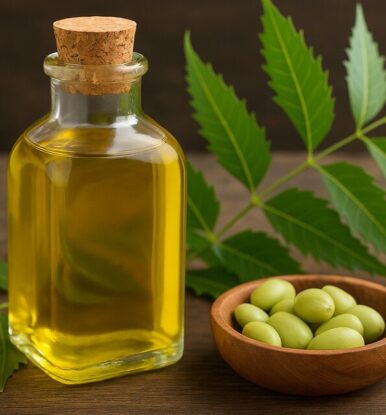
Neem trees are known as “Sarva Roga Nivarini” in ancient Ayurvedic texts, which means “Healer of All...
Read More
Pet parents are always looking for things that are natural and effective in order to keep their...
Read More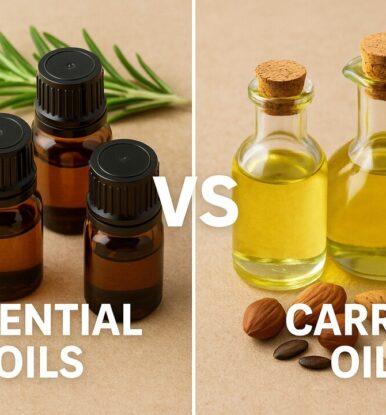
Oils have significantly gained popularity and have become an essential part of our lives. From being present...
Read More
Hair thinning, breakage and slow growth are among the most searched concerns in the personal care space....
Read More
Massage therapy has moved well beyond the spa cabin. Physiotherapy clinics, Ayurvedic centers, sports recovery studios, and...
Read More
Yeast infections remain one of the most common concerns brought to formulators of intimate care, topical wellness,...
Read More
When making the perfect perfume, carrier oils are an important part of the process. The type of...
Read More
Why Neem Oil Is a Preferred Organic Solution for Rose Care Roses are among the most commercially...
Read More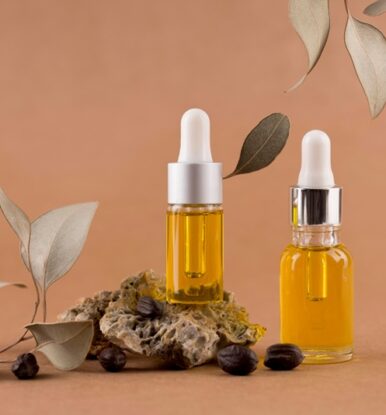
Carrier oils are vegetable oils that come from the fatty parts of plants, usually the seeds, nuts...
Read More
Natural skin care is gaining popularity every year. Consumers now look for safe, vegetarian, and skin-friendly products....
Read More
Carrier oils are considered an important component of natural skincare, aromatherapy, and many wellness routines. They are...
Read More
What Is A Carrier Oil? Carrier oils are oils also known as vegetable oils, fixed oils, or...
Read More