
Error: Contact form not found.
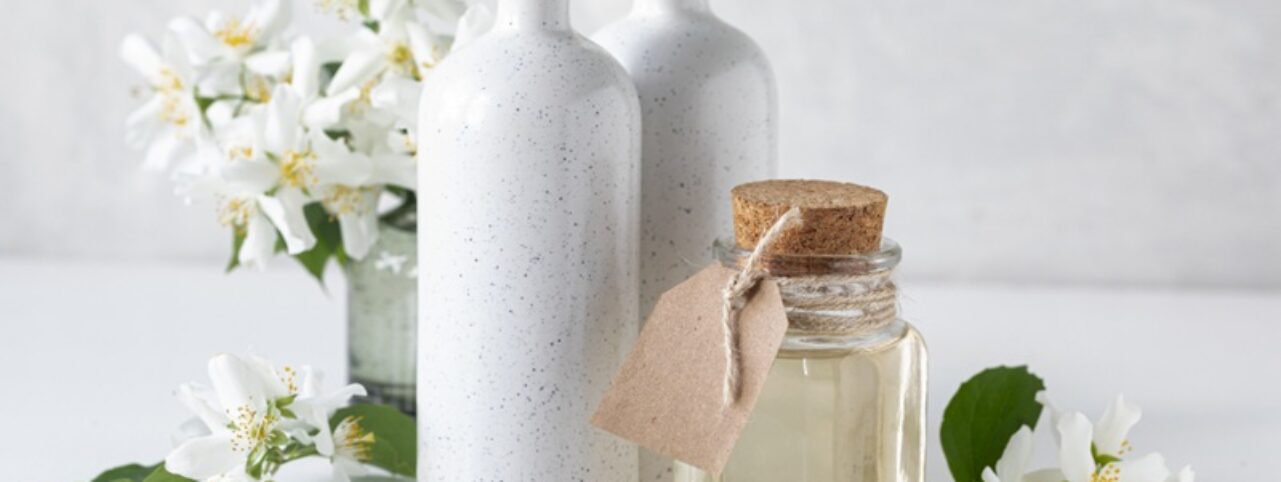
Jasmine has held a quiet authority in perfumery, skincare, and traditional medicine for centuries. What sets certified organic jasmine oil apart today is the verifiable purity that B2B buyers, formulators, and global brands now demand. As the global natural fragrance market shifts toward traceable sourcing and clean-label claims, jasmine certified organic oil has moved from a luxury ingredient to a strategic input for serious manufacturers.
This article unpacks the aromatic, therapeutic, and commercial value of jasmine organic oil with a practical lens for procurement teams, private label brands, and aromatherapy formulators.
The global essential oils market is projected to reach USD 18.25 billion by 2028, growing at a CAGR of around 8 percent, according to Grand View Research. Within this category, jasmine sits among the highest value florals because of its labour-intensive extraction and limited harvest windows.
Certification matters for B2B buyers because:
For brands selling into the US, Europe, and the Gulf, organic certification is no longer optional. It is a baseline for premium positioning in 2025 and 2026.
Jasmine oil carries a layered floral character with sweet, warm, and slightly indolic notes. The dominant aroma compounds include benzyl acetate, linalool, benzyl benzoate, and indole. Together they produce the recognizable depth that synthetic copies struggle to replicate.
In perfumery, jasmine functions as a heart note that bridges top citrus accords with deeper base woods and musks. In aromatherapy, the same molecular profile contributes to its mood-lifting reputation.
Across Ayurvedic and modern aromatherapy traditions, jasmine oil is valued for several documented effects. A study published in the Journal of Health Research noted measurable improvements in mood, alertness, and physiological arousal after jasmine oil inhalation.
Common applications include:
Formulators working on hair care also use jasmine absolute at low percentages to add a luxury scent profile without overpowering the formula.
Jasmine flowers do not survive steam distillation well, which is why most jasmine oil on the market is technically an absolute, produced through solvent extraction followed by alcohol washing. Certified organic jasmine oil follows stricter solvent protocols and often uses food-grade ethanol.
CO2 extraction is gaining ground for buyers who want a solvent-free profile. The yield is lower, but the aromatic accuracy is closer to the living flower. Buyers sourcing from established Aromatic Chemicals suppliers in India often find both options available under one roof, simplifying procurement for multi-ingredient formulations.
Procurement teams evaluating jasmine oil should request the following:
A reliable supplier will share these documents without hesitation. Sivaroma Naturals, for example, maintains batch-specific COAs and supports buyers with regulatory documentation for export markets, drawing on 25 plus years of manufacturing experience and certifications including USFDA, WHO GMP, ISO 9001:2015, HACCP, Halal, and Kosher. Brands building proprietary blends often work with custom formulation partners to shorten development timelines and reduce reformulation costs.
Industry analysts at Mordor Intelligence expect the natural fragrance category to outpace synthetic alternatives through 2026, driven by clean-beauty regulations in the EU and rising consumer scrutiny in North America. Floral absolutes, including jasmine, rose, and tuberose, are expected to see steady demand from indie perfumery and prestige skincare.
India remains a significant production hub for both florals and aromatic compounds. Aromatic Chemicals exporters in India serve formulators across Europe, the US, Canada, and the Gulf, supported by established logistics corridors and FSSAI plus APEDA oversight.
Forward-looking buyers in 2026 are prioritizing:
Jasmine absolute is potent. Typical use levels sit between 0.1 and 1 percent in finished cosmetics, and slightly higher in fine fragrance concentrates. Overdosing produces a heavy, narcotic profile that can flatten a blend rather than lift it.
Pairings that consistently perform well include:
For private label brands launching wellness ranges, jasmine works as both a hero ingredient and a quiet accent. Many entrepreneurs scale their first SKUs through private labeling services that handle filling, labeling, and compliance documentation.
Jasmine absolute is relatively stable compared to citrus oils but still benefits from cool, dark storage. Amber glass, nitrogen flushing, and temperature control below 20 degrees Celsius extend shelf life to 24 to 36 months without significant aromatic drift.
Bulk buyers should also confirm packaging options. Aluminium drums with internal lacquer coating are standard for export shipments, while smaller HDPE containers suit pilot batches. Sivaroma Naturals supports global brands across 40 plus countries with a 500 plus product portfolio spanning essential oils, carrier oils, and aromatic compounds, backed by 15 tons of daily manufacturing capacity.
Certified organic jasmine oil comes from flowers grown without synthetic pesticides, herbicides, or fertilizers, processed under approved extraction protocols, and audited by a recognized certifying body such as USDA NOP, EU Organic, or India NPOP. The certification covers the full chain: farming, harvesting, extraction, and packaging. Buyers receive documentation that supports clean-label claims in regulated markets and reduces the risk of non-compliance during export. Organic jasmine oil also tends to carry a cleaner aromatic profile because residual solvents and agrochemicals are tightly controlled.
Most jasmine oil sold commercially is technically an absolute, not a steam-distilled essential oil. Jasmine flowers are heat sensitive and yield very little oil through traditional distillation, so producers use solvent extraction to create a concrete, which is then washed with alcohol to produce the absolute. The result is a richer, more accurate floral aroma. True jasmine essential oil exists through CO2 extraction but is rarer and more expensive. Both forms are valid for formulation, with the choice depending on regulatory requirements and aromatic goals.
India and Egypt are the two largest producers of jasmine absolute globally, followed by Morocco, China, and France. Indian jasmine, particularly Jasminum grandiflorum and Jasminum sambac, is prized for its aromatic depth and consistency. Indian producers also benefit from established export infrastructure, organic certification bodies, and integrated supply chains that include carrier oils, herbal extracts, and aromatic compounds, making single-source procurement easier for international buyers across cosmetics, perfumery, and wellness categories.
Stored correctly in amber glass, away from heat and direct light, certified organic jasmine absolute maintains its aromatic integrity for 24 to 36 months. Some premium batches stay stable longer when nitrogen flushed and kept below 20 degrees Celsius. Signs of degradation include a flat or sour top note, colour darkening beyond the natural amber tone, and loss of the characteristic indolic depth. Buyers should request the batch date and recommended storage conditions from their supplier and conduct quarterly aroma checks on stored inventory.
Yes. Many established Indian manufacturers offer flexible MOQs for organic florals, recognizing that indie brands and pilot programs need trial quantities before scaling. Buyers typically start with one to five kilograms for product development, then move to 10 kilogram drums or larger for commercial production. Reputable suppliers also provide batch-matched repeat orders so that finished products remain consistent across launches, which is critical for brands building shelf identity in competitive retail channels.


Skin tags (acrochordons) are small, benign growths that form in areas of frequent skin friction, including the...
Read More
Today, premature hair greying has become a common concern for many individuals, regardless of age. This problem...
Read More
Essential oils have become an important part of modern wellness routines, skincare formulations, aromatherapy practices and even...
Read More
Alternative medicines, including essential oils, have become a common part of many households as they offer various...
Read More
Fatigue and low energy are some of the most commonly reported issues among today's modern workforces and...
Read More
Have you ever thought about using essential oils for kids? Or have you asked yourself are essential...
Read More
The best natural oils like Olive oil, Coconut oil and Shea butter oil have been used for...
Read More
The vagus nerve has moved from a niche neurology topic into a mainstream wellness conversation. Formulators, private...
Read More
Pregnancy is a joyful and life-changing time. But sometimes, it also becomes stressful because it comes with...
Read More
Essential oils have become an integral part of our daily lives, especially in holistic health practices, skincare,...
Read More
For brands in the cosmetics, pharmaceuticals and wellness sector, choosing the right grade of essential oil is...
Read More
Sweet orange essential oil has earned a permanent place in the formulation labs of the world. From...
Read More
Nasal congestion disrupts sleep, dulls focus, and makes everyday work harder. Most of the time it signals...
Read More
Tea tree essential oil is one of the best antibacterial essential oils. The chemicals in this oil...
Read More
Derived from the lavender plant (Lavandula Angustifolia), the lavender essential oil is widely known for providing a...
Read More
The skincare industry is undergoing a quiet but decisive shift. Brand owners, formulators, and procurement teams are...
Read More
The global essential oils market is booming upwards. Sourcing decisions made today, particularly for cosmetic brands, pharmaceutical...
Read More
Pain is something many of us experience, and it can make everyday tasks difficult. While regular pain...
Read More
One remarkable characteristic of essential oils is that they have been used both as ancient traditional and...
Read More
Many people use essential oils for things like easing headaches, calming down during meditation or simply making...
Read More