
Error: Contact form not found.
Pet parents are always looking for things that are natural and effective in order to keep their dogs healthy and comfortable. From bothersome itching and dry skin to annoying fleas and ticks, dogs experience a variety of skin and coat problems that can affect their quality of life. While there are many commercial products that claim to be a quick fix, many of them contain harsh chemicals, which raise concerns about their long term safety and potential side effects.
Neem oil, made from the seed of the neem tree found in India, has been used as traditional medicine for thousands of years. Its natural properties have made it increasingly popular in the world of modern pet care.
However, questions about its safety and proper use remain at the forefront of the minds of many dog owners. Understanding both the benefits and precautions that are associated with neem oil can help make informed decisions about incorporating it into your dog’s wellness routine.
Neem oil contains several active compounds, of which the most notable is azadirachtin. This is a natural compound having insect repelling and anti-inflammatory properties that make neem oil especially useful for pet care. The oil also contains fatty acids, vitamin E and other antioxidants to enhance skin health and healing.
The cold-pressed method of extraction preserves all these beneficial compounds in the oil, which ensures that it retains all its natural potency. This extraction process guarantees that the final product retains its therapeutic properties without any need of synthetic additives or chemical processing. The quality of neem oil is massively dependent on how it is extracted and processed, which has a massive effect on its effectiveness and safety for your pet.
Also Read: The Ultimate Guide to Neem Oil: Benefits for Skin and Hair
Pure neem oil is generally safe for topical use on dogs when properly diluted and applied correctly. However, it should never be internally taken in its pure form, as concentrated neem oil might cause digestive upset. Dogs tend to lick areas where topical treatments are applied. Therefore, dilution is essential to minimize any potential issues if they manage to reach the treated area.
Always dilute neem oil with a carrier oil like coconut oil or sweet almond oil before you apply it to your dog’s skin. A typical dilution ratio for most applications is one part neem oil to ten parts carrier oil. Start with a small patch test on a small area to ensure your dog does not have an adverse reaction. Watch for any signs of irritation, excessive licking or discomfort in the hours following application.
Puppies, pregnant dogs and dogs with compromised immune systems require additional care. Consult with your veterinarian before using neem oil on dogs with existing health conditions or those that are taking medications. That is because some dogs can be more sensitive than others and professional advice will ensure that you are opting for the safest option for your specific pet.
Dogs suffering from dry and itchy skin find great relief with properly diluted applications of neem oil. The moisturizing effects of the oil help to calm irritated skin, while the anti-inflammatory qualities of the oil help to reduce redness and discomfort.
Many dogs suffer with chronic itching due to environmental allergens, changes in seasons or underlying sensitivities in the skin, and neem oil is a gentle alternative to steroid based remedies.
The antimicrobial properties of neem oil also help deal with minor skin infections that can result from excessive scratching. When dogs keep scratching themselves, they create small wounds that become entry points for bacteria. Diluted neem oil is very beneficial for supporting the natural healing process of the skin while creating an environment less hospitable to harmful bacteria.
One of the best benefits of neem oil for dogs is its natural ability to repel fleas, ticks and other parasites. The compounds in neem oil interfere with the life cycle of these pests and make it difficult for them to reproduce and thrive on the surface of your dog’s skin. And unlike chemical pesticides that kill insects on contact, neem oil works as a deterrent that makes your dog less attractive to these parasites.
For flea prevention, diluted neem oil can be massaged into your dog’s coat, paying special attention to areas you know fleas gather, such as the base of the tail, around the neck and behind the ears.
The natural scent of neem, while mild to humans, is very unpleasant to fleas and ticks. As a result, it encourages them to seek hosts elsewhere. Many pet owners report a significant reduction in flea activity within two to three weeks of regular neem oil use.
Beyond taking care of specific skin issues, neem oil contributes to overall coat health. The fatty acids and nutrients found in neem oil help to nourish hair follicles and make individual strands stronger, which results in a shinier and healthier-looking coat.
Dogs with dull and brittle fur often show visible improvement after consistent neem oil treatments. The conditioning properties of neem oil help reduce tangles and make grooming easier, especially for dogs with longer coats.
A well-nourished coat is also more resistant against environmental factors like wind, sun exposure and harsh weather conditions. Regular grooming sessions combined with diluted applications of neem oil can transform the appearance of your dog as well as support underlying skin health.
Applying neem oil correctly ensures maximum benefits while minimizing risks. Mix your diluted solution of neem oil thoroughly each time you use it, as the oil can separate from the carrier oil over time. Apply the mixture to your hands first, then apply it gently into your dog’s coat in a circular motion, from the skin outward to ensure even distribution.
For localized treatment of hot spots or specific irritated areas, apply the diluted oil directly to the affected spot using a cotton pad or clean cloth. Do not let the neem oil get near your dog’s eyes, nose or mouth. For treating areas your dog can easily reach with their tongue, you can either use a cone or distraction techniques to prevent your dog from licking it off immediately after application.
Bath time is a good time for neem oil treatment. Add properly diluted neem oil to your dog’s regular shampoo, or apply it after the bath while the coat is still slightly damp. This helps the oil to penetrate better and get distributed evenly throughout the coat.
The degree of effectiveness of the neem oil treatment depends entirely on the quality of the product. Pure, cold-pressed neem oil retains the highest concentration of beneficial compounds compared to heavily processed ones. Therefore, you must only look out for products specifically labelled as 100% pure neem oil with no synthetic additives, fragrances or preservatives.
Sivaroma manufactures pure neem oil through cold pressed extraction methods, which maintains the natural properties and therapeutic value of the oil. With years of manufacturing experience and certifications like ISO 9001:2015, WHO GMP and HACCP, we ensure consistent quality through strict lab testing.
Our commitment to purity makes our neem oil suitable for both pet care applications and professional formulations across the pharmaceutical and wellness industries. Contact us today to know more or place your bulk order!


Natural skin care is gaining popularity every year. Consumers now look for safe, vegetarian, and skin-friendly products....
Read More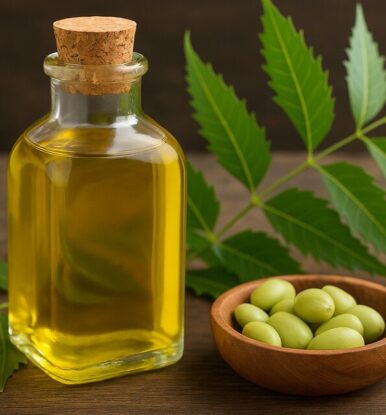
Neem trees are known as “Sarva Roga Nivarini” in ancient Ayurvedic texts, which means “Healer of All...
Read More
Carrier oils are vegetable oils that come from the fatty parts of plants, usually the seeds, nuts...
Read More
When making the perfect perfume, carrier oils are an important part of the process. The type of...
Read More
Carrier oils are considered an important component of natural skincare, aromatherapy, and many wellness routines. They are...
Read More
Oils have significantly gained popularity and have become an essential part of our lives. From being present...
Read More
What Is A Carrier Oil? Carrier oils are oils also known as vegetable oils, fixed oils, or...
Read More