Error: Contact form not found.
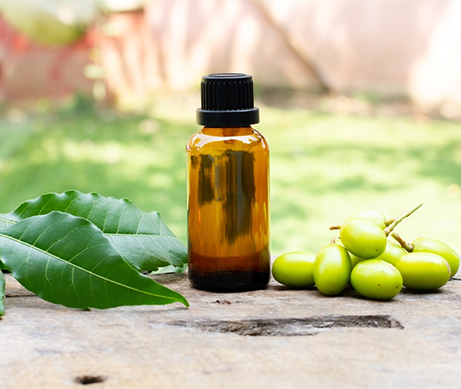
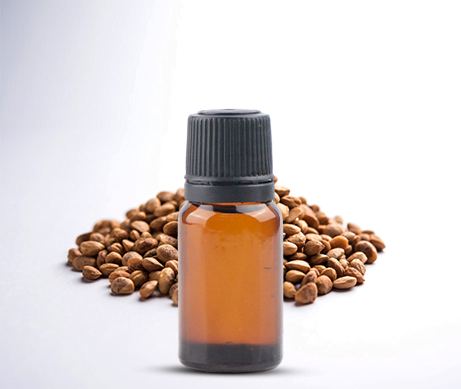
Neem oil is a cold-pressed carrier oil extracted from the seeds of the Azadirachta indica tree, native to India. It contains bioactive compounds such as azadirachtin, nimbin, and salannin that give it antifungal, antibacterial, and anti-inflammatory properties. These qualities make it a valued ingredient in skincare, haircare, agriculture, and herbal wellness.
For brands looking for trusted neem oil manufacturers, batch consistency and verifiable purity matter most. At Sivaroma Naturals, every batch undergoes rigorous in-house testing to meet international benchmarks. With 25+ years of experience and certifications including USFDA, WHO GMP, ISO 9001:2015, Halal, and Kosher, we serve as dependable neem oil suppliers to clients in 40+ countries.
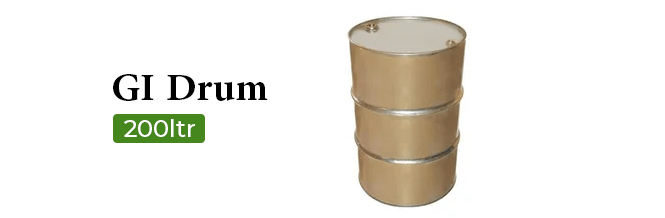
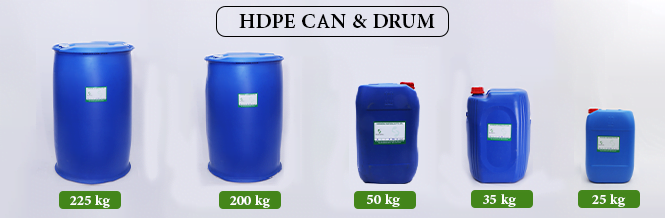
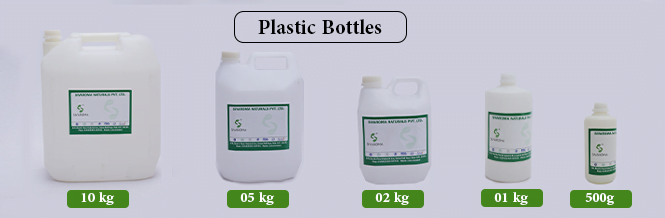
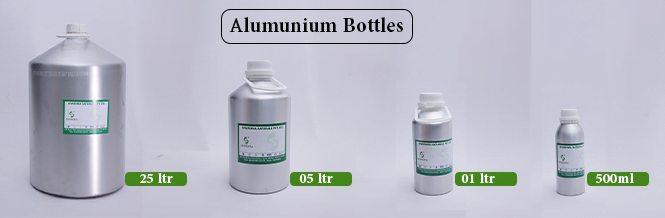
Reliable neem oil suppliers should provide batch-specific certificates of analysis (COA) that confirm azadirachtin content, acid value, and microbial safety. Look for suppliers with internationally recognized certifications such as ISO 9001:2015, WHO GMP, and USFDA registration. Consistent color, odor profile, and specific gravity across orders indicate a well-controlled manufacturing process. It also helps to verify that cold-press extraction is used to preserve active compounds. Transparent communication around lead times, minimum order quantities, and packaging options is equally important when building long-term sourcing partnerships.
Yes, neem oil wholesale orders are commonly fulfilled in volumes ranging from 25 kg drums to multi-ton shipments, depending on the buyer’s production needs. Bulk purchasing typically offers better per-unit pricing and allows brands to maintain steady inventory for ongoing manufacturing cycles. When placing wholesale orders, confirm that the supplier provides consistent quality documentation with each shipment. It is also worth checking whether the manufacturer offers flexible packaging options including HDPE drums, plastic cans, and custom containers to suit your storage and distribution setup.
Cold-pressed neem oil is obtained by mechanically pressing neem seeds without heat or chemical solvents. This method retains the oil’s full spectrum of bioactive compounds, including azadirachtin and nimbin, which are sensitive to high temperatures. Solvent-extracted neem oil may yield higher volumes but often loses some of these active constituents during processing. For skincare, haircare, and organic agricultural applications, cold-pressed neem oil is the preferred grade because it maintains a stronger phytochemical profile, better shelf stability, and a more reliable composition for formulation work.
Neem oil manufacturers serving global markets should hold certifications that meet regulatory requirements across different regions. Key certifications include ISO 9001:2015 for quality management, WHO GMP for manufacturing practices, USFDA registration for the US market, and FSSAI for food-grade applications. Halal and Kosher certifications are important for buyers in the Middle East and specific consumer segments. HACCP certification further demonstrates control over hazard risks during production. Together, these credentials give buyers confidence that the neem oil meets the safety, purity, and traceability standards required for cosmetic, pharmaceutical, and agricultural end uses.
Private label brands can source neem oil at neem oil wholesale pricing by partnering with manufacturers that offer white-label and custom packaging services. This allows brands to launch neem-based skincare, haircare, or garden care products under their own label without investing in extraction infrastructure. When selecting a manufacturing partner, verify that they handle custom formulation requests, provide regulatory-compliant labeling support, and meet your minimum order quantities. A manufacturer with established export capabilities also simplifies logistics for brands operating in multiple countries.