
Error: Contact form not found.

The skincare industry is undergoing a quiet but decisive shift. Brand owners, formulators, and procurement teams are recalibrating ingredient decks around organic oils as end consumers scrutinize labels more closely than ever. Grand View Research values the global organic personal care market above USD 22 billion in 2025, with facial oils and serums among the fastest-growing subcategories heading into 2026.
For B2B buyers planning supplier partnerships this year, organic oils are no longer a niche talking point. They sit at the center of formulation strategy, brand positioning, and regulatory readiness. This piece examines what is driving the shift, which oils are commanding demand, how procurement teams should evaluate quality, and what to look for when selecting manufacturing partners for the next product cycle.
Three forces are converging behind the organic oil movement.
For formulators, this means fewer trade-offs between clean-label positioning and functional performance. For procurement teams, it means suppliers must now demonstrate certified organic sourcing, transparent batch records, and third-party verified purity. The days when a generic COA sufficed are effectively over. Brands entering the 2026 pipeline are structuring their briefs around organic first, synthetic second.
A handful of oils are absorbing most of the incremental demand across skincare, haircare, and therapeutic categories. Procurement teams building their 2026 buying calendars should pay close attention to:
For a broader view of options across cold-pressed formats, our carrier oils range covers the varieties most requested by international buyers.
The pattern across these oils is clear. Formulators want ingredients with published fatty acid profiles, verifiable organic status, and reliable batch-to-batch consistency. Suppliers who can demonstrate all three are winning multi-year contracts, while those trading on price alone are being displaced.
An organic label alone does not guarantee formulation-grade quality. Serious buyers assess several technical parameters before locking in a supplier:
At Sivaroma Naturals, every batch clears these checkpoints before dispatch, backed by in-house laboratories and certifications including USFDA, WHO GMP, ISO 9001:2015, HACCP, Halal, Kosher, and FSSAI. That level of documentation is what allows formulators to sign off on ingredients without commissioning their own repeat testing.
Choosing the right ingredient partner shapes downstream reformulation costs, launch timelines, and compliance risk. When evaluating natural oil manufacturers for 2026 pipelines, procurement teams should look beyond the price sheet and assess:
Sivaroma Naturals brings 25-plus years of manufacturing experience and 1,500-plus global clients to these conversations, which typically translates into shorter qualification cycles for buyers.
Analysts at Mordor Intelligence project that the natural cosmetics market will cross USD 59 billion by 2030, with organic facial oils and serums outpacing overall category growth from 2026 onward.
Three trends are shaping procurement decisions for 2026:
Indian manufacturers with vertically integrated operations are well positioned to capitalize on these trends, offering both traditional ayurvedic formulations and modern cosmetic-grade oils under one roof. Currency stability, established freight corridors, and mature quality infrastructure further strengthen India’s position as a preferred sourcing origin for European, North American, and Gulf buyers evaluating their 2026 supplier base.
Beyond skincare, organic oils are anchoring product development across adjacent categories:
This cross-category demand is precisely what makes organic oils a strategic ingredient rather than a passing trend. Brands that lock in reliable supply now protect themselves against the volatility expected as demand scales through 2026.
Brand owners, formulators, and procurement teams building their next product cycle can contact our sales team at sales@sivaroma.com or intsales@sivaroma.com to request samples, technical documentation, or a private label consultation.
For international buyers, organic skincare oils should carry certifications aligned with the destination market. USDA Organic and EU Organic are standard for retail brands, while ISO 9001:2015, WHO GMP, and HACCP cover manufacturing quality. Halal and Kosher open access to Gulf countries and specific North American segments. FSSAI applies to any oil crossing into food-adjacent applications. Buyers should also ask for USFDA facility registration if targeting the US market, and confirm the supplier can issue batch-specific COAs, MSDS, and IFRA compliance documents on request.
Request a pre-shipment sample and independently test for fatty acid composition using GC/GCMS. Compare results against published reference profiles for that oil. Also review peroxide value (indicates rancidity), acid value (indicates free fatty acid content), and heavy metals screening. Cross-check the supplier’s COA against your independent lab report. Reputable manufacturers welcome this process and often provide reference samples free of charge for buyers evaluating a new supplier relationship.
MOQs vary by oil and packaging format. Standard bulk orders typically start at 25 to 200 kilograms per SKU, though established manufacturers often accommodate lower volumes for new brands during initial launch phases. Private label programs may also include custom blending, filling, and labeling, which shift the MOQ calculation. Discuss projected annual volume with your supplier early, as this often unlocks better MOQ flexibility and tiered pricing.
Jojoba oil leads on oxidative stability, often exceeding two years when properly stored. Coconut oil, marula, and meadowfoam also demonstrate strong stability. Rosehip, evening primrose, and flax show shorter windows and typically require antioxidant systems in finished formulations. Storage conditions, packaging (amber glass or aluminum), and nitrogen flushing at fill also significantly extend usable life across the category.
Yes, provided the manufacturer holds relevant certifications and documentation. Facilities with USFDA registration, WHO GMP, ISO 9001:2015, and organic certifications routinely export to the EU, US, Canada, and Gulf countries. Buyers should confirm the supplier’s export track record, request references from similar markets, and verify that shipping documentation aligns with destination-country requirements before finalizing contracts.


Jasmine has held a quiet authority in perfumery, skincare, and traditional medicine for centuries. What sets certified...
Read More
The essential oil benefits are not unknown to anyone in the health and wellness industry. Today, these...
Read More
Essential oils have become an important part of modern wellness routines, skincare formulations, aromatherapy practices and even...
Read More
As autumn fades and the beautiful leaves fall, we are left with bare trees, and the crisp...
Read More
Essential oils have become an integral part of our daily lives, especially in holistic health practices, skincare,...
Read More
Many people are turning to natural remedies to enhance their overall well-being. Aromatherapy is one such practice...
Read More
Pregnancy is a joyful and life-changing time. But sometimes, it also becomes stressful because it comes with...
Read More
Tea tree oil is one of the most popular and widely used essential oils today. It has...
Read More
Oregano oil offers several potential health benefits, including fighting certain bacteria, reducing inflammation and acting as an...
Read More
One remarkable characteristic of essential oils is that they have been used both as ancient traditional and...
Read More
Essential oils have captured the fascination of many due to their incredible aromatic properties and potential therapeutic...
Read More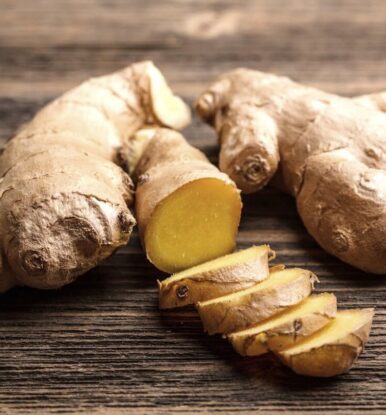
Ginger has retained a long and proven history of wellness through the ages. It has long been...
Read More
Introduction Men’s intimate wellness has moved from a niche subcategory into a serious pillar of the global...
Read More
Have you ever thought about using essential oils for kids? Or have you asked yourself are essential...
Read More
Sore throat products remain one of the most crowded shelves in over-the-counter wellness, and formulators feel the...
Read More
Essential oils are fragrant compounds extracted from plants that provide unique scents and flavors. Prized for their...
Read More
Perfumes are made using different types of fragrant chemicals. Aromatic chemicals are essential elements that make up...
Read More
The essential oil quality is of prime importance for consumers as well as businesses that use the...
Read More
Tea tree essential oil is one of the best antibacterial essential oils. The chemicals in this oil...
Read More
Beard care has matured from a grooming afterthought into a serious product category. Men are reading ingredient...
Read More