Error: Contact form not found.
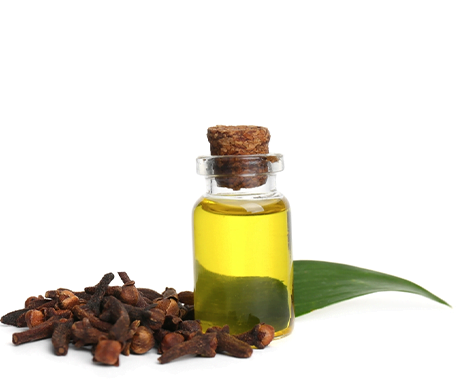
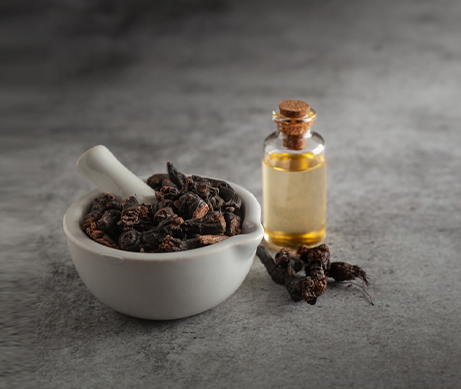
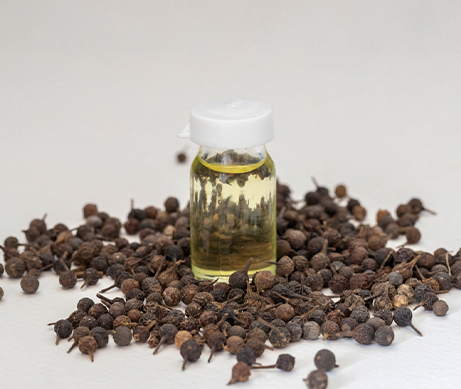
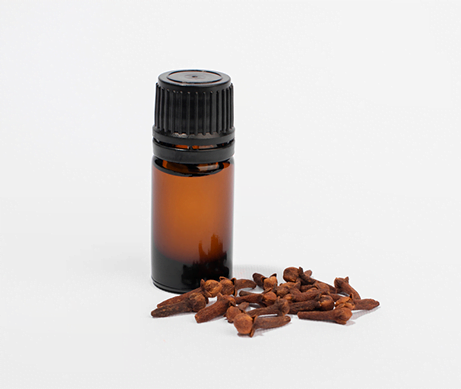
Clove leaf oil is steam distilled from the leaves of Syzygium aromaticum, a tropical evergreen native to Indonesia and widely cultivated across India and Southeast Asia. It carries a warm, spicy aroma with subtle woody and balsamic undertones. Rich in eugenol and beta-caryophyllene, this oil is valued in personal care formulations, oral hygiene products, therapeutic blends, and flavoring applications.
Its natural antiseptic and analgesic properties make it a preferred ingredient for pain-relief balms, dental care preparations, and antimicrobial skincare products. Formulators also use it in aromatherapy blends for its grounding, warming effect.
When sourcing clove leaf oil for commercial use, consistency in eugenol content and purity across batches is critical. Reliable clove leaf oil manufacturers provide batch-specific GC/GCMS reports, certificates of analysis, and adherence to international safety and quality standards to support seamless product development.
Clove leaf oil is widely used in personal care, oral hygiene, and therapeutic product lines. Its high eugenol content gives it strong antiseptic and analgesic qualities, making it suitable for pain-relief balms, mouthwashes, and medicated skincare. In aromatherapy, it serves as a warming base note that helps ease tension and mental fatigue. Food and beverage companies also use it as a natural flavoring agent in spice blends and baked goods. Its versatility across industries makes it one of the most sourced spice oils for bulk procurement.
Both oils come from the same plant, Syzygium aromaticum, but they differ in source material, composition, and pricing. Clove bud oil is extracted from the flower buds and has a richer, more complex aroma with a higher eugenol concentration. Clove leaf oil, distilled from the leaves, contains a slightly lower eugenol percentage but offers a more cost-effective option for large-scale formulations. For buyers focused on price efficiency without compromising antimicrobial performance, clove leaf oil is often the preferred choice in bulk manufacturing.
Buyers should confirm that their supplier holds recognized certifications such as ISO 9001:2015, WHO GMP, HACCP, FSSAI, USFDA, Halal, and Kosher. These certifications confirm that production follows standardized quality control, hygiene, and safety protocols. Additionally, request batch-specific certificates of analysis (COA) and GC/GCMS testing reports to verify eugenol content, purity levels, and the absence of adulterants. Reputed manufacturers in this segment maintain full traceability from raw material sourcing through final dispatch, giving B2B buyers confidence in product consistency and regulatory compliance.
India has a well-established spice oil distillation industry supported by large-scale clove cultivation in Kerala, Tamil Nadu, and Karnataka. Indian manufacturers benefit from proximity to raw material sources, competitive production costs, and decades of expertise in steam distillation techniques. The country also has a strong regulatory infrastructure, with many producers holding international certifications that satisfy import requirements across North America, Europe, and the Gulf region. Sourcing from India gives buyers access to high purity clove leaf oil at competitive bulk pricing with reliable export logistics.
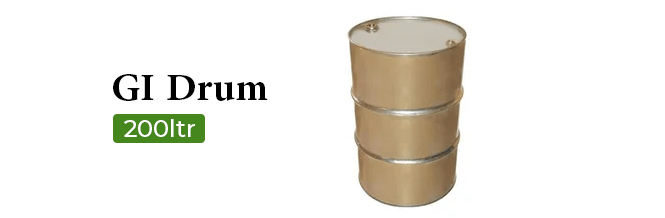
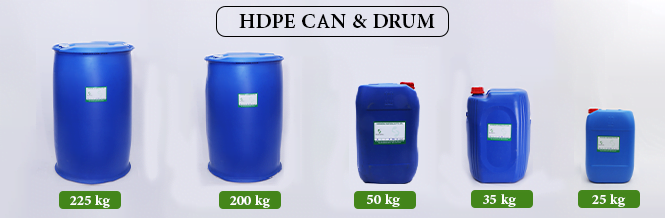
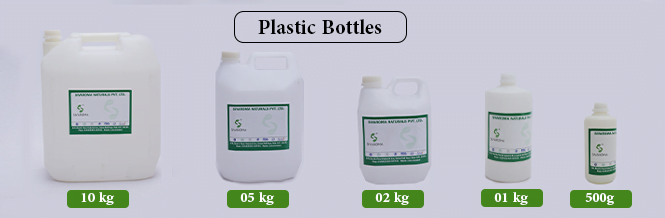
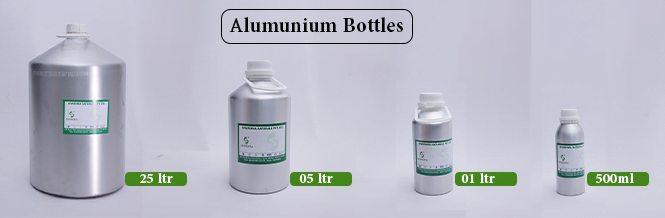
When stored properly, clove leaf oil has a shelf life of approximately two to three years. It should be kept in tightly sealed, dark glass or food-grade HDPE containers, away from direct sunlight and heat. Ideal storage temperature is between 15 and 25 degrees Celsius. Exposure to air, moisture, or temperature fluctuations can degrade eugenol content and alter the aroma profile over time. Buyers placing bulk orders should confirm packaging specifications and storage recommendations with their supplier to maintain product integrity throughout the supply chain.