Error: Contact form not found.

Linseed oil is a versatile, nutrient rich oil extracted through cold pressing of flax seeds (Linum usitatissimum). It has a distinctive yellow to golden yellow color and contains key fatty acids such as linoleic, oleic, palmitic, and stearic acids. One of its most valued properties is its natural drying ability. On exposure to air, linseed oil forms a tough, insoluble film, making it highly useful in paints, varnishes, wood finishes, and protective coatings.
Beyond industrial use, linseed oil is gaining attention in cosmetic and wellness formulations for its skin nourishing and conditioning benefits. For brands and procurement teams looking to source in bulk, choosing reliable linseed oil manufacturers ensures consistent quality, verified purity, and timely supply across domestic and international markets.
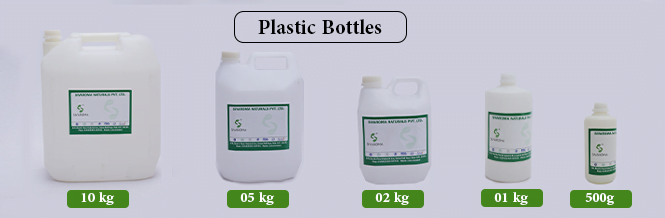
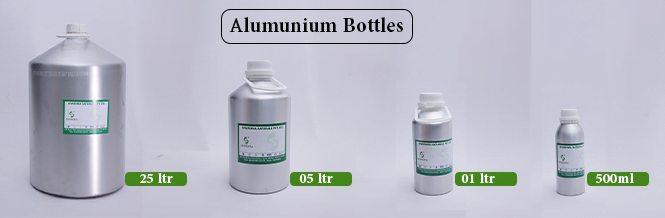
Linseed oil is widely used in paints, varnishes, and wood finishes because of its natural drying properties. It forms a hard, protective layer on surfaces when exposed to air. In cosmetic formulations, it serves as a skin conditioning agent and is added to moisturizers, serums, and hair care products. Its rich fatty acid content supports hydration and adds a smooth texture to finished products. Many wellness and personal care brands now include cold pressed linseed oil in their ingredient lists for its natural origin and functional benefits.
Start by checking the supplier’s batch specific certificate of analysis (COA), which should cover refractive index, specific gravity, fatty acid composition, and purity levels. Reliable linseed oil manufacturers will also share GC/GCMS test reports on request to confirm that the oil meets your formulation standards. Look for certifications such as ISO 9001:2015, USFDA, Halal, and Kosher as additional quality indicators. Requesting a pre-shipment sample is also a good practice, as it allows you to test compatibility with your product before committing to a larger bulk order.
Cold pressed linseed oil retains more of its natural fatty acids, color, and nutritional value compared to solvent extracted variants. The cold pressing method avoids high temperatures and chemical solvents, which helps preserve the oil’s original composition. This makes it a preferred choice for cosmetic and wellness applications where purity matters. For industrial coatings, solvent extracted oil may still be suitable depending on the end use. Brands focused on clean label or natural formulations typically prefer cold pressed grades for their product lines.
For smooth cross border trade, a linseed oil supplier should hold internationally recognized certifications. ISO 9001:2015 confirms that quality management systems are in place. USFDA registration is essential for exports to the United States. Halal and Kosher certifications help reach markets in the Middle East, Europe, and Southeast Asia. WHO GMP and HACCP compliance signals that manufacturing follows global safety and hygiene protocols. These certifications reduce compliance risks for buyers and simplify the vendor onboarding process for brands entering regulated or new international geographies.
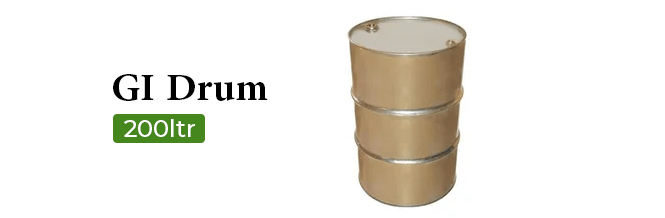
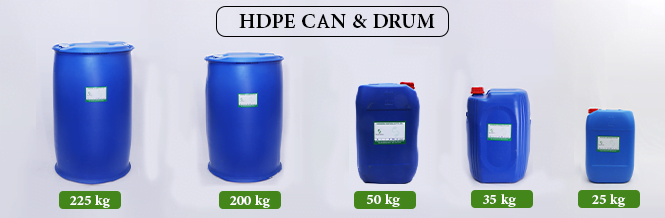
Yes, many established suppliers offer private label packaging and custom formulation services for linseed oil. This includes adjusting packaging sizes, adding brand labels, and tailoring oil grades to match specific product requirements. For example, a skincare brand may need a refined, lighter grade while an industrial buyer may prefer a raw, unrefined version. Some suppliers also offer custom blending with other carrier oils to create ready to use formulations. Working with a partner that supports flexible MOQs and custom specs, like Sivaroma Naturals, helps brands launch faster without investing in separate manufacturing infrastructure.