
Error: Contact form not found.
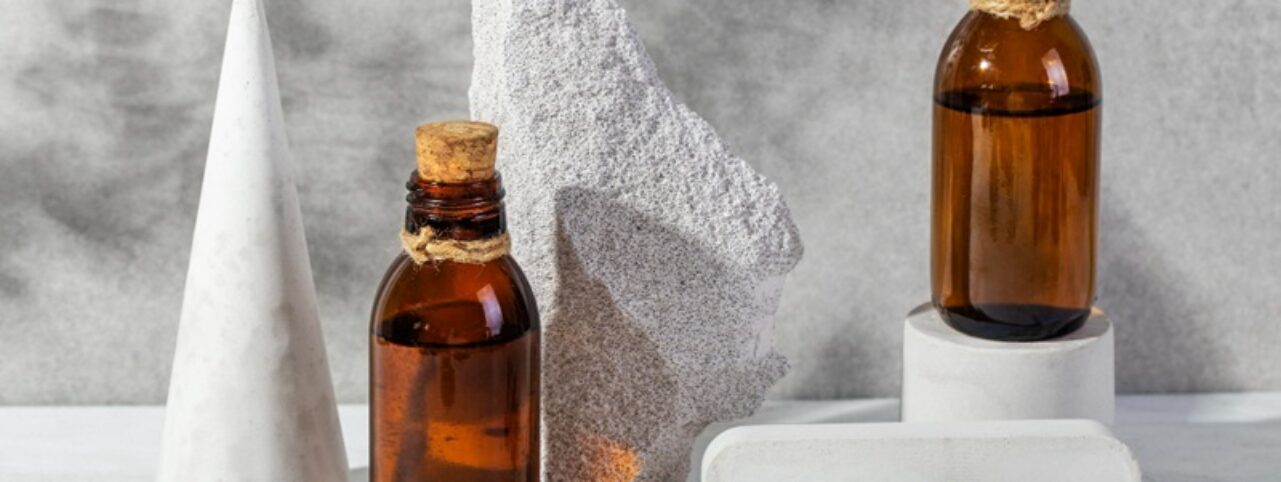
Brittle nails, peeling tips, and cracked cuticles remain among the most common complaints in professional nail care. For formulators building nail serums, cuticle oils, and treatment blends, the base oil determines whether a product delivers real repair or simply coats the surface. Argan oil has moved from a regional Moroccan ingredient to a core input in premium nail care formulations, and the reasons are grounded in its composition rather than marketing.
This article examines why argan oil performs so well on nails, what B2B buyers should verify before sourcing it in bulk, and how it fits into the 2025 and 2026 nail care market.
Argan oil is cold-pressed from the kernels of Argania spinosa, a tree native to southwestern Morocco. Its fatty acid profile is dominated by oleic and linoleic acids, with meaningful amounts of palmitic and stearic acids. This balance gives the oil both penetrating properties and a stable emollient film, which matters for the nail plate and surrounding skin.
The oil also carries a naturally high tocopherol content, alongside squalene, sterols, and polyphenols. Research on argan oil’s biochemistry indexed on PubMed points to its antioxidant capacity and its role in supporting skin barrier function. For nail applications, these compounds help protect the keratin structure and reduce oxidative stress that contributes to splitting and layering.
Key nutrients that matter for nail care include:
The nail plate is made of layered keratin. When it loses lipids and water, it becomes brittle and prone to peeling. Argan oil works through two mechanisms: lighter fatty acids move into the outer keratin layers, while the heavier fraction and tocopherols form a protective film that slows water loss around the cuticle.
Formulators typically report:
A useful reference on the dermatological role of plant oils, including argan, is available through the National Center for Biotechnology Information.
For brand owners and formulators, argan oil is rarely used as a single ingredient. It performs best as the anchor in a blended cuticle oil or as a functional carrier in nail strengthening serums. Common product formats include:
Because argan is stable with an 18 to 24 month shelf life when properly stored, it suits both retail and bulk formats, which is one reason many private label programs default to it. Sivaroma Naturals supplies argan oil in cosmetic and food grades, and the essential oils and carrier oils range lets brands mix compatible ingredients within a single order.
Not all argan oil on the wholesale market is equivalent. Adulteration with sunflower or soybean oil remains a real risk, and buyers cannot rely on price alone. Before signing a supply agreement, procurement teams should request:
A responsible Argan oil Manufacturer in India will provide this documentation without prompting and will hold certifications such as ISO 9001:2015, USFDA registration, and WHO GMP compliance. These are baseline expectations for buyers serving regulated markets in the EU, North America, and the Gulf.
India has become a significant re-export and value-addition hub for Moroccan-origin argan oil. Indian manufacturers import bulk crude argan, refine it to cosmetic or food grade, and re-export finished lots with full documentation. This route often gives buyers better MOQs, faster turnaround, and compliance packages tailored to the destination market.
Sivaroma Naturals operates a 15 tons per day facility with five warehouses and holds Halal, Kosher, USFDA, WHO GMP, ISO 9001:2015, HACCP, and FSSAI certifications. For buyers evaluating carrier oil suppliers in India, the combination of documentation depth, batch consistency, and export experience across 40 plus countries is usually more decisive than headline pricing.
Practical sourcing tips:
The global nail care market continues to shift toward treatment-focused products rather than decorative polish. Industry outlooks through 2025 and forecasts into 2026 point to steady growth in nail serums, cuticle oils, and strengthening treatments, with plant-derived ingredients gaining share against synthetic alternatives. Reports from firms including Grand View Research and Mordor Intelligence note that clean-label demand is influencing procurement decisions across salon chains and indie brands.
For formulators, three practical implications stand out:
Brands preparing 2026 launches are already locking in supply contracts through late 2025.
Choosing an argan oil supplier affects product performance, regulatory exposure, and brand reputation. The right partner combines consistent quality, transparent documentation, and flexibility to support both private label runs and custom nail care formulations. Sivaroma Naturals brings 25 plus years of manufacturing experience, a 500 plus product portfolio, and a client base of 1500 plus buyers globally, including work with names such as Cipla, Bajaj, Emami, Patanjali, Himalaya, and Dabur.
For teams building a new nail care line or expanding an existing one, the next step is a technical conversation covering fatty acid targets, MOQ, packaging, and timelines. Reach the sourcing team at sales@sivaroma.com or intsales@sivaroma.com to request samples, COAs, and a quotation aligned to your formulation brief, or review the full carrier oils catalogue to plan companion ingredients within a single order.
Yes. Cosmetic-grade argan oil is well tolerated for daily application on the nail plate and surrounding skin. Its fatty acid profile is close to the skin’s natural lipid composition, which explains the low irritation rate reported in dermatological literature. For sensitive users, a patch test on the inner wrist is still advisable before starting a new routine. In formulated products, argan is typically included at 5 to 30 percent of the total oil phase, with the exact level depending on whether it functions as the primary emollient or a supporting active.
Both perform well, but they work differently. Jojoba is a liquid wax ester and sits closer to the skin’s sebum in structure, giving it excellent surface compatibility. Argan is a true triglyceride oil with higher tocopherol content, which makes it better at antioxidant protection and deeper conditioning of the nail plate. Many premium cuticle oils use both in combination, with jojoba providing the light initial feel and argan delivering the longer-lasting barrier and nutrient load.
At minimum, buyers should expect ISO 9001:2015 for quality management, GMP compliance for cosmetic manufacturing, and HACCP or FSSAI where food-grade oil is involved. For specific markets, Halal and Kosher certifications open access to the Gulf and parts of North America, while USFDA registration is important for cosmetic imports into the United States. Reputable Indian manufacturers hold this full stack and can provide certificates with each shipment. Buyers should also confirm that certificates are current and cover the specific facility handling their order.
Yes. Private label programs typically cover formulation refinement, packaging in dropper bottles or roll-ons, artwork alignment, and full regulatory documentation for the destination market. MOQs vary by packaging format but usually start in the range of 500 to 1000 units for finished goods, or 25 to 200 kg for bulk oil supply. Lead times of six to eight weeks are standard once artwork and formulation are locked. Buyers launching in multiple markets should plan for parallel regulatory tracks early.
Store argan oil in amber glass or food-grade HDPE containers, away from direct light and heat, ideally between 15 and 25 degrees Celsius. Under these conditions, cosmetic-grade oil holds its fatty acid profile and antioxidant activity for 18 to 24 months from manufacture. Once a retail bottle is opened, users should aim to finish it within 6 to 9 months. Bulk buyers should rotate stock first-in, first-out and check peroxide values before extended holding.


Skin tags (acrochordons) are small, benign growths that form in areas of frequent skin friction, including the...
Read More
Today, many people want to lose weight quickly in a safe and effective way. It is true...
Read More
Ginger has retained a long and proven history of wellness through the ages. It has long been...
Read More
When the sun gets hotter and days become longer, summer brings with it a sense of desire...
Read More
When it comes to essential oils, we often look for ones that are strong and versatile, especially...
Read More
Lemon oil has quietly become one of the most versatile flavour and functional ingredients in modern food...
Read More
People have been using sesame oil for many years as an organic product that promotes healthy hair....
Read More
The delightful woody scent and therapeutic properties of sandalwood essential oil are not new to people as...
Read More
The global essential oils market is booming upwards. Sourcing decisions made today, particularly for cosmetic brands, pharmaceutical...
Read More
The coconut tree is referred to as the "Tree of Life" and people have been using its...
Read More
Alternative medicines, including essential oils, have become a common part of many households as they offer various...
Read More
Sweet orange essential oil has earned a permanent place in the formulation labs of the world. From...
Read More
Extracted from the peppermint plant, peppermint oil has been used for centuries to treat a wide range...
Read MoreScents are not just something you wear; they can affect how you feel, boost your confidence and...
Read More
Who does not want beautiful, thick and long hair? Many beauty products that are available in the...
Read More
Tea tree essential oil is one of the best antibacterial essential oils. The chemicals in this oil...
Read More
Traveling is exciting, but it can also come with challenges like jet lag, stress and motion sickness....
Read More
As autumn fades and the beautiful leaves fall, we are left with bare trees, and the crisp...
Read More
Fatigue and low energy are some of the most commonly reported issues among today's modern workforces and...
Read More
One remarkable characteristic of essential oils is that they have been used both as ancient traditional and...
Read More