
Error: Contact form not found.
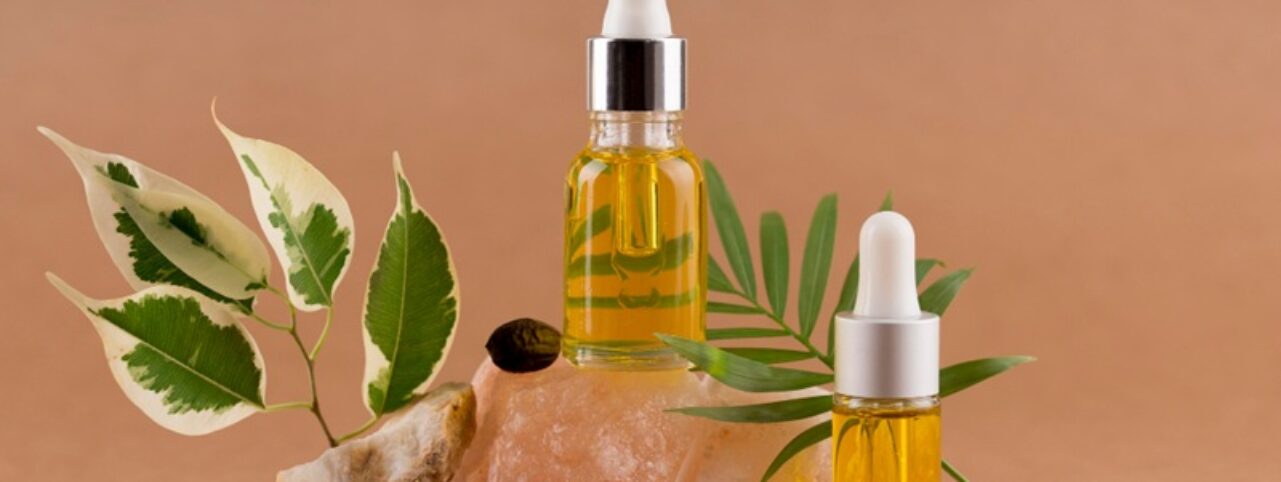
Fatigue and low energy are some of the most commonly reported issues among today’s modern workforces and consumer wellness surveys. While the use of synthetic stimulants and caffeine-heavy formulations still dominate the energy supplement segment, an increasing number of product developers and aromatherapy professionals have been turning to botanical alternatives that provide support for sustained vitality without the crash. Black pepper essential oil, obtained from the dried berries of Piper nigrum, is one such ingredient that is once again getting attention for its stimulating, warming and circulation-boosting effects.
For businesses in the cosmetics, wellness and therapeutic product categories, black pepper essential oil is a versatile formulation ingredient with documented physiological benefits. This guide covers the science behind its energy-boosting profile, practical ways to apply it, how to source it and quality benchmarks that are relevant for B2B procurement.
Black pepper essential oil has its stimulating nature due to an abundance of phytochemicals. The main active ingredient, piperine, is what gives the oil its signature warmth, and has been researched for its effects on improving the absorption of nutrients as well as improving metabolic activity. Beyond piperine, the oil also contains beta-caryophyllene, limonene, sabinene and alpha-pinene; all of which contribute to its invigorating aroma and functional benefits.
When inhaled or used topically in a diluted form, the oil stimulates thermogenic responses within the body and promotes blood flow to the muscles and extremities. This warming effect is not merely perpetual. Improved peripheral circulation provides for the delivery of oxygen to tissues which directly impacts alertness and physical stamina. For formulators developing massage blends, sports recovery products or aromatherapy diffuser oils, these properties translate into tangible product claims supported by physiological mechanisms.
One of the most well-documented effects of black pepper essential oil is the effect it has on blood circulation. The warming elements in the oil dilate blood vessels and promote blood flow, which helps in reducing feelings of physical sluggishness. For brands that create massage oils or post-workout recovery formulas, this circulatory advantage is a strong functional foundation.
The sharp and spicy smell of black pepper essential oil directly affects cognitive function. Inhalation activates the sympathetic nervous system, which is responsible for alertness responses in the body. Aromatherapy practitioners often suggest it for diffuser blends to fight off the mid-afternoon fatigue or to support concentration during demanding tasks.
Energy levels are very closely tied to digestive efficiency. Piperine, the signature compound in black pepper oil, has been shown to enhance the bioavailability of a number of nutrients, including B vitamins and coenzyme Q10, both of which are central to cellular energy production. This makes black pepper oil a valuable addition to wellness formulations that are aimed at holistic energy support, rather than short-term stimulation.
Clear breathing helps with oxygen intake which in turn fuels energy. Black pepper essential oil possesses mild expectorant properties that help in opening up of airways, thus making it a valuable addition in steam inhalation and chest rub formulations. For pharmaceutical and wellness product lines, this respiratory benefit complements the oil’s broader energy-enhancing profile.
Add three to four drops of black pepper essential oil to a diffuser, either alone, or with other complimentary oils such as grapefruit, rosemary or eucalyptus. This combination produces an energizing atmosphere for workspaces, wellness centres and spa environments. The spicy-warm base note of black pepper is a wonderful match for citrus top notes making the resulting scent profile balanced and stimulating.
For direct application, dilute black pepper essential oil at a concentration of one to two percent in a carrier oil such as sweet almond, jojoba, or coconut oil. Apply to the neck, shoulders, and lower back for targeted circulation support. Brands sourcing from certified essential oil suppliers should verify that the oil’s piperine content meets therapeutic-grade benchmarks before formulating massage products.
For a quick energy boost, put one to two drops of the oil on a tissue or personal inhaler stick and breathe deeply. This approach is particularly practical for travel-friendly wellness kits and personal care product lines targeting the busy professional.
Black pepper essential oil can be used in bath salts, shower gels and body scrubs aimed at invigorating the body. Its heating power is amplified in warm water, so it is a good candidate for seasonal product lines that market around vitality and rejuvenation.
The aromatic appeal and functional potency of black pepper oil are both maximized when it is blended effectively. For energy-focused formulations, take a look at the following combinations of synergies that work well across diffuser, massage and body care formats.
The combination of black pepper with grapefruit and rosemary produces an uplifting and mentally stimulating combination. The citrus brightness of grapefruit balances the spice of black pepper; while rosemary reinforces cognitive clarity. For a grounding, yet energizing profile, mix black pepper with frankincense and sweet orange. This pairing works especially well in meditation and yoga studio diffuser blends where sustained focus is the goal rather than sharp stimulation.
For topical warming blends, black pepper mixed with ginger and lemongrass creates a very stimulating effect appropriate to sports massage and post-exercise recovery products. Each of these combinations can be adjusted in ratio depending on the target audience and the method of application, giving formulators considerable flexibility.
The quality of black pepper essential oil varies significantly depending on the origin of the raw material, the extraction method and the supplier’s quality control infrastructure. India remains the largest and most established origin for Piper nigrum, with the Malabar and Tellicherry regions producing peppercorns that are widely regarded as benchmark quality. When evaluating natural essential oils suppliers, buyers should prioritize the following quality indicators.
First, ask for a GC/MS (Gas Chromatography-Mass Spectrometry) report of every batch. This analysis is used to confirm the chemical composition of the oil and is helpful in detecting adulteration with synthetic piperine or cheaper filler oils. Second, check extraction methodology. Steam distillation is the industry standard for black pepper essential oil and yields the most therapeutically relevant chemical profile. CO2 extraction is one such alternative that yields a fuller and more aromatic oil but is less common in bulk supply chains.
Third, assess the supplier’s certification portfolio. International certifications such as ISO 9001:2015, GMP, HACCP, Halal, and Kosher signal a manufacturer’s commitment to consistent quality across production runs. Sivaroma Naturals, for instance, holds all of these certifications and operates a facility with a daily production capacity of 15 tons, making it a reliable partner for businesses that require both volume and verified purity. When working with essential oil suppliers at scale, this level of infrastructure ensures that each consignment meets the same exacting standards.
Black pepper essential oil is normally regarded as safe for use topically and aromatically when appropriately diluted. However, due to its warming nature, it can cause sensitization to the skin if used in concentrations above two percent. Formulators should perform patch testing and adhere to IFRA (International Fragrance Association) guidelines when using it in consumer products.
The oil is phototoxic-free, which gives it an advantage over some citrus oils in leave-on product formulations. Pregnant and nursing persons should consult a healthcare provider before using. For product developers, including clear usage instructions and safety data on labels is important for regulatory compliance and consumer trust.
The global essential oils market is expected to show steady growth through 2026 and beyond, owing to increasing preference of consumers for plant-based wellness products and increasing applications in personal care, pharmaceutical products, and food and beverage. Spice-derived essential oils such as black pepper are seeing high demand as brands seek differentiated ingredients that take a step away from the traditional trio of lavender, tea tree and eucalyptus.
For B2B buyers, this trend presents an opportunity to develop product lines around functional aromatherapy, energy support, and active lifestyle wellness. Partnering with established natural essential oils suppliers who maintain transparent sourcing practices and can provide documentation for every batch is the most effective way to build consumer trust in this growing category. Sivaroma Naturals, with over 25 years of manufacturing experience and a portfolio of 500+ products exported to markets across the USA, Canada, Europe, and Gulf countries, represents the kind of supply chain partner that supports both innovation and compliance.
If your brand is exploring products that focus on energy or are looking to add to your essential oil portfolio, sourcing is a big deal. Work with a manufacturer that offers GC/MS verified purity, flexible order volumes and the certifications that your market requires. Reach out to Sivaroma Naturals at sales@sivaroma.com to request a sample or discuss customized formulation needs or receive a wholesale pricing quote.
Black pepper essential oil helps stimulate circulation and activate the sympathetic nervous system with its warming constituents, especially piperine. Improved blood flow provides more oxygen to muscles and the brain which helps to support physical stamina and mental alertness without needing any caffeine or synthetic stimulants.
The oil should always be diluted in a carrier oil before topical application. A dilution of one-to-two percent is recommended. Apply to pulse points as well as shoulders or the lower back for a warming and circulation-boosting effect. Undiluted application may cause skin sensitization.
Grapefruit, rosemary, eucalyptus, ginger, lemongrass and sweet orange are all good blending partners. Citrus oils add brightness and uplift while rosemary and eucalyptus to strengthen mental clarity. Ginger amplifies the warming and circulatory properties.
Prioritize suppliers that are GC/MS batch reports, use steam distillation and hold certifications such as ISO 9001:2015, GMP, HACCP, Halal and Kosher. Verify the botanical origin and be sure that the supplier can be consistent in large or recurring orders.
Yes, as long as they are formulated in accordance with the IFRA guidelines and at the appropriate dilution level. The oil is not photo toxic and therefore suitable for leave-on products. To meet regulatory standards, always include on product labels clear instructions for use and safety information.
Properly stored in dark glass containers away from direct sunlight and heat, black pepper essential oil usually lasts two to three years. Suppliers having strict storage infrastructure and cold chain management help to ensure oil quality during the supply chain.


Essential oils are highly concentrated forms of the plant’s beneficial aromatic components or those created during the...
Read More
In the natural oils industry, the words 'absolute oil' and 'essential oil' are more or less used...
Read More
Essential oils are fragrant compounds extracted from plants that provide unique scents and flavors. Prized for their...
Read More
Lemon oil has quietly become one of the most versatile flavour and functional ingredients in modern food...
Read More
Pain is something many of us experience, and it can make everyday tasks difficult. While regular pain...
Read More
The best natural oils like Olive oil, Coconut oil and Shea butter oil have been used for...
Read More
Sore throat products remain one of the most crowded shelves in over-the-counter wellness, and formulators feel the...
Read More
Many people are turning to natural remedies to enhance their overall well-being. Aromatherapy is one such practice...
Read More
In our fast-paced world, quality sleep often takes a backseat. Stress, anxiety, and the overwhelming demands of...
Read More
Essential oils have become an integral part of our daily lives, especially in holistic health practices, skincare,...
Read More
While some people rely on conventional pain relievers, many people today prefer a more holistic approach by...
Read More
The essential oil benefits are not unknown to anyone in the health and wellness industry. Today, these...
Read More
Natural oils have long been an essential part of skincare traditions across cultures for centuries. When oils...
Read More
Rosemary essential oil has moved from a traditional herbal remedy into one of the most actively researched...
Read More
Essential oils are extremely strong ingredients that have a variety of effects. Since the classical era, people...
Read More
Alternative medicines, including essential oils, have become a common part of many households as they offer various...
Read MoreScents are not just something you wear; they can affect how you feel, boost your confidence and...
Read More
Today, many people want to lose weight quickly in a safe and effective way. It is true...
Read More
Essential oils have captured the fascination of many due to their incredible aromatic properties and potential therapeutic...
Read More
Have you ever thought about using essential oils for kids? Or have you asked yourself are essential...
Read More