
Error: Contact form not found.

Mental fatigue, scattered attention, and creative blocks have become everyday concerns across modern workplaces. As studios, coworking spaces, and wellness retailers look for cleaner, plant-based alternatives to stimulants, essential oils have moved from niche aromatherapy counters into mainstream product lines. Cosmetic formulators, aromatherapy brands, and wellness entrepreneurs are now building entire SKUs around focus, flow, and cognitive clarity.
This guide looks at the essential oils most associated with creativity and sustained attention, the science behind them, and how B2B buyers can source them responsibly from India, a country whose aromatic agriculture and Ayurvedic distillation heritage continues to shape the global aromatherapy supply chain.
The olfactory system is one of the few sensory pathways that connects directly to the limbic brain, which governs memory, emotional regulation, and attention. Research published in Frontiers in Pharmacology and other peer-reviewed outlets has repeatedly shown that specific aromatic molecules can influence alertness, working memory, and mood within minutes of inhalation.
For brands building productivity sprays, roll-ons, diffuser blends, and candles, this neurological pathway is the reason authentic essential oils outperform synthetic fragrance accords in cognitive wellness categories. End users do not just smell the product. Their nervous system responds to it.
The oils most consistently used in cognitive wellness formulations today each bring a distinct profile and functional role. Formulators typically position them as follows:
A widely cited study from Northumbria University found that rosemary essential oil improved prospective memory performance in participants exposed to its aroma during cognitive testing. This has made rosemary a flagship ingredient for study aids, exam preparation lines, and executive wellness kits.
Formulators typically use rosemary at 1 to 2 percent in topical roll-ons and 5 to 10 percent in diffuser concentrates. Blended with lemon or peppermint, it holds up well across morning and midday use.
Peppermint, high in menthol and menthone, supports alertness and sharper reaction time. Aromatherapy journals have published multiple reports linking peppermint inhalation with improved task performance and reduced perceived fatigue. For retail products, peppermint pairs effectively with rosemary in a 1:2 ratio, giving a crisp, forward profile without feeling medicinal.
Distilled from Boswellia resin, frankincense is widely used to settle overactive thought patterns. It has become a signature ingredient in meditation blends, breathwork accessories, and premium wellness lines. For buyers planning long-term supply, working with experienced Frankincense Oil Manufacturers in India helps secure consistent chemotype, resin origin, and distillation quality across batches, which matters for products where scent reproducibility defines the brand experience.
Lemon, bergamot, and sweet orange are rich in d-limonene, a compound widely studied for its mood-elevating effects. Creative professionals often respond better to lighter, uplifting profiles than heavier herbaceous blends. Citrus oils also act as useful bridges in complex blends, softening sharper notes and extending the top-note phase.
A 2026 industry outlook from Grand View Research projected continued double-digit growth across the global aromatherapy market, driven largely by cognitive wellness, sleep, and stress categories. Brands launching now have real room to differentiate through blend specificity and ingredient transparency.
Cognitive wellness products live or die on scent authenticity. Synthetic adulterants, inconsistent distillation, and shifting chemotypes break customer trust quickly, especially in categories where repeat purchase depends on a consistent sensory experience. Working with established manufacturers who publish batch-level GC-MS reports, maintain recognized certifications, and manage sourcing from farm to filling line gives formulators repeatable, defensible results.
With more than 25 years of manufacturing experience, 500+ products across eleven categories, and a 15 tons per day production capacity, Sivaroma Naturals is counted among the top essential oil suppliers in India for cognitive wellness and aromatherapy formulations. Certifications such as USFDA, WHO GMP, ISO 9001:2015, HACCP, Halal, Kosher, and FSSAI back every shipment, which simplifies compliance for buyers in the USA, Canada, Europe, and the Gulf.
Explore the full range of pure essential oils for cognitive wellness blends, or review the specific profiles available for frankincense and resin oils when building meditation and focus lines.
For brands moving beyond off-the-shelf blends, custom formulation and private labeling are now the fastest routes to launch. In-house formulation teams can match a scent brief, build compliance documentation, and produce pilot batches before scaling to full production runs. This matters most in cognitive wellness, where market positioning often depends on a signature blend rather than a single hero oil.
Learn more about private labeling services for ready-to-market cognitive wellness SKUs, or review custom formulation capabilities for brief-driven blends tailored to a specific audience, price point, or regulatory market.
For sourcing essential oils, discussing private labeling, or building custom cognitive wellness formulations, write to sales@sivaroma.com or intsales@sivaroma.com. Request a sample pack, review certification documentation, or schedule a consultation with the formulation team to translate a brief into production-ready SKUs.
Rosemary and peppermint are the most researched options for sustained focus. Rosemary supports prospective memory and alertness, while peppermint helps counter mental fatigue through its menthol content. A blend of the two in a 2:1 ratio works well in roll-ons or diffuser cartridges intended for workspaces. Formulators often add a small amount of lemon or bergamot to lift mood without overpowering the base. For brands building focus-themed product lines, keeping the concentration between 1 and 3 percent in topical products and 5 to 10 percent in diffuser concentrates typically delivers noticeable results within the first few minutes of use. Sourcing from manufacturers with batch-level GC-MS testing ensures the chemotype stays consistent across production runs, which matters when end users expect the same experience every time.
Research into olfactory response and cognitive performance has grown steadily, and peer-reviewed studies link specific aromatic compounds with improved mood, memory, and divergent thinking. Essential oils cannot replace sleep, nutrition, or professional mental health care, but they can act as supportive tools in creative workflows. Writers, designers, and strategists often use diffuser blends with frankincense, bergamot, and sweet orange to settle into deep work. The mechanism is grounded in neuroscience, since scent travels through the olfactory bulb directly to the limbic system, which handles emotion and memory. Brands launching creativity-focused SKUs should pair this scientific context with honest, educated marketing rather than overclaims, since category trust depends heavily on transparent communication.
For global wellness and cosmetic markets, buyers should prioritize suppliers holding USFDA registration, WHO GMP, ISO 9001:2015, HACCP, and FSSAI, along with Halal and Kosher certifications for broader market access. These credentials indicate the manufacturer follows documented quality systems, maintains traceable sourcing, and tests for adulteration. For cognitive wellness products specifically, batch-level GC-MS reports are essential, since chemotype variations directly affect scent and therapeutic response. Private label and custom formulation partners should also share stability data, allergen declarations, and compliance paperwork for destination markets such as the EU, USA, Canada, and the GCC. Indian manufacturers that own their value chain from sourcing to filling tend to offer the most reliable documentation across these parameters, which simplifies audits and reduces long-term supply risk.
India has a long agricultural and distillation tradition for aromatic crops such as basil, lemongrass, mint, vetiver, and sandalwood, many of which overlap directly with cognitive wellness formulations. Indian frankincense, mint oils, and herbal extracts are widely used by international brands for their consistent profiles and competitive pricing. The country’s climate, soil diversity, and Ayurvedic heritage support a wide chemotype range, giving formulators options that are harder to source elsewhere. Indian manufacturers with modern distillation infrastructure and global certifications now supply major cosmetic, pharmaceutical, and aromatherapy brands worldwide. For focus-oriented products, Indian rosemary, basil, cardamom, and vetiver are especially sought after due to their consistency and purity when sourced through established, audited supply chains with full traceability.
Yes, with sensible formulation and dispersal practices. The two most common issues are overconcentration and poor-quality oils with synthetic adulterants. Diffuser blends intended for shared workspaces should use lighter, non-sedative profiles such as lemon, bergamot, rosemary, and peppermint at moderate dilution. Avoid heavy florals and strong allergenic oils like oakmoss or cassia in open-plan settings. Timed diffusion of 20 to 30 minutes per hour is usually more effective and better tolerated than continuous diffusion. For B2B buyers developing office wellness products, choosing suppliers who provide allergen declarations and IFRA-aligned documentation helps build safer SKUs. Clear labeling and usage instructions on the final product also reduce the risk of sensitivity complaints from end users across diverse workplace populations.
Minimum order quantities vary by oil and supplier. Common oils such as peppermint, lemongrass, and eucalyptus often start from 1 to 5 kilograms, while rarer absolutes and CO2 extracts may begin from 100 grams. For private label projects involving packaging, labeling, and formulation, MOQs typically start from a few hundred to a few thousand units depending on bottle size and complexity. Established manufacturers with large production capacity usually offer more flexibility for sampling, pilot runs, and scaled production. A staged approach often works well for new brands: begin with smaller pilot batches, validate consumer response, then move to larger production runs with the same supplier to maintain scent and quality consistency across future launches and refresh cycles.


One remarkable characteristic of essential oils is that they have been used both as ancient traditional and...
Read More
Derived from the lavender plant (Lavandula Angustifolia), the lavender essential oil is widely known for providing a...
Read More
In 2022, the global market for essential oils was valued at approximately $8.8 billion. It is expected...
Read More
Sore throat products remain one of the most crowded shelves in over-the-counter wellness, and formulators feel the...
Read More
Have you ever browsed a store and come across essential oils and absolutes, curious about how they...
Read More
The skincare industry is undergoing a quiet but decisive shift. Brand owners, formulators, and procurement teams are...
Read More
Essential oils have become a key part of many people’s self-care routines, and for good reason. While...
Read More
Topical wound care has long borrowed from botanical medicine, and modern formulators are revisiting that tradition with...
Read More
In our fast-paced world, quality sleep often takes a backseat. Stress, anxiety, and the overwhelming demands of...
Read More
Essential oils have become an important part of modern wellness routines, skincare formulations, aromatherapy practices and even...
Read More
As autumn fades and the beautiful leaves fall, we are left with bare trees, and the crisp...
Read More
As we grow older, our skin can become loose and less firm. In this case, we tend...
Read More
Jasmine has held a quiet authority in perfumery, skincare, and traditional medicine for centuries. What sets certified...
Read More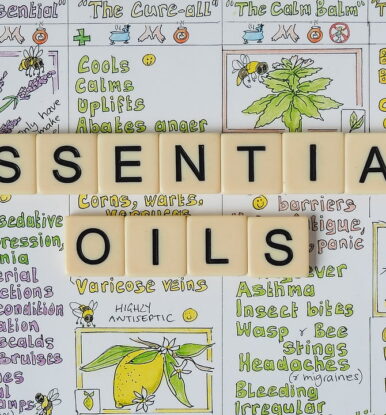
The essential oil quality is of prime importance for consumers as well as businesses that use the...
Read More
From tasty dinners in the kitchen to smelly trash and muddy pets, keeping your home smelling fresh...
Read More
Some people get mosquito bites more often than others because of things like body smell, humidity, heat...
Read More
Essential oils are fragrant compounds extracted from plants that provide unique scents and flavors. Prized for their...
Read More
Many people use essential oils for things like easing headaches, calming down during meditation or simply making...
Read More
Essential oils have captured the fascination of many due to their incredible aromatic properties and potential therapeutic...
Read More
Pain is something many of us experience, and it can make everyday tasks difficult. While regular pain...
Read More