Error: Contact form not found.

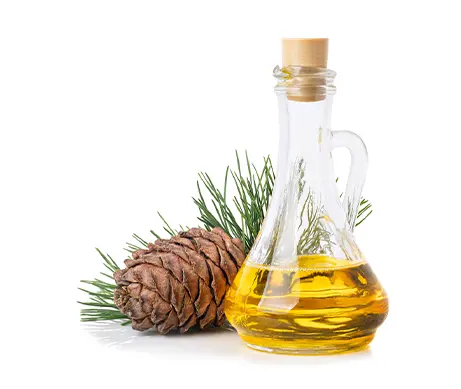
Pine oil is a versatile essential oil obtained through steam distillation of Pinus sylvestris needles, twigs, and cones. It carries a fresh, clean aroma and is rich in alpha-pinene and beta-pinene, two compounds widely valued in aromatherapy, personal care, and industrial cleaning formulations.
This oil is commonly used in respiratory care blends, surface disinfectants, floor cleaners, and cosmetic products due to its natural antiseptic and antibacterial properties. It also finds application in pharmaceutical preparations and wellness products.
Sivaroma Naturals is one of the trusted pine oil manufacturers in India, offering consistent quality backed by GC/GCMS testing, batch-specific certificates of analysis, and international certifications including USFDA, ISO 9001:2015, WHO GMP, Halal, and Kosher. Every batch is processed at our facility with a 15 tons per day manufacturing capacity, ensuring reliable supply for bulk and private label orders worldwide.
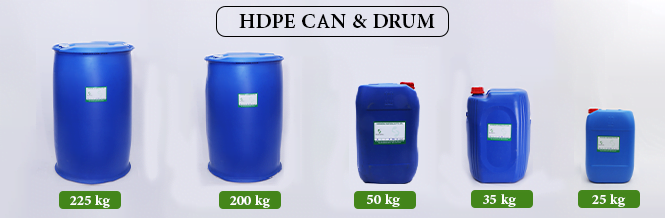
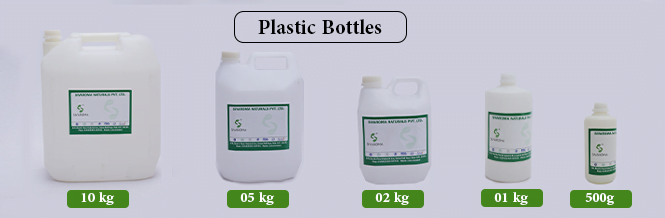
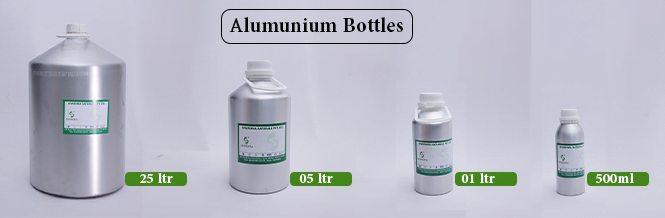
Look for manufacturers who provide batch-specific certificates of analysis (COA) with detailed GC/GCMS reports. Consistent alpha-pinene and beta-pinene content across batches is a strong quality indicator. Verify that the supplier holds recognized certifications such as ISO 9001:2015, USFDA, WHO GMP, Halal, and Kosher. Flexible minimum order quantities, reliable lead times, and the ability to handle private label or custom formulations also matter. A manufacturer with dedicated warehousing and in-house testing labs will offer better control over product integrity from production to dispatch.
Pine oil is extracted through steam distillation of the needles, twigs, and cones of Pinus sylvestris. The purity and aroma of the final product depend on the quality of raw material, distillation temperature, and processing duration. High-quality pine oil should have a fresh, clean scent and a specific gravity between 0.870 and 0.920. Reliable suppliers provide full analytical data including refractive index, optical rotation, and major constituent breakdown to confirm that each batch meets international standards before shipment.
Pine oil is widely used across several industries. In household and industrial cleaning, it serves as a natural disinfectant and deodorizer. Personal care brands use it in soaps, body washes, and massage blends for its refreshing scent. In aromatherapy, pine oil is valued for respiratory support and stress relief. Pharmaceutical companies include it in topical pain relief formulations and vapor rubs. Its antibacterial and antiseptic properties make it a preferred choice for surface cleaners and sanitization products in both domestic and commercial settings.
Yes. Many Indian manufacturers, including Sivaroma Naturals, offer private label and custom formulation services for pine oil. You can get the oil filled and packed under your own brand name, with label design and packaging tailored to your market. Custom blending is also available if you need pine oil combined with other essential oils for a specific product line. Flexible MOQs and dedicated support for international shipping make it simple for brands in the USA, Europe, Canada, and Gulf countries to place bulk orders.
For international buyers, certifications are a key trust signal. A reliable pine oil supplier should hold ISO 9001:2015 for quality management, USFDA registration for the US market, WHO GMP for pharmaceutical-grade processing, and Halal and Kosher certifications for specific market requirements. HACCP and FSSAI compliance adds further assurance for food-grade applications. These certifications confirm that the supplier follows standardized manufacturing, testing, and storage practices, reducing the risk of batch inconsistency or contamination for buyers placing large or recurring orders.