Error: Contact form not found.
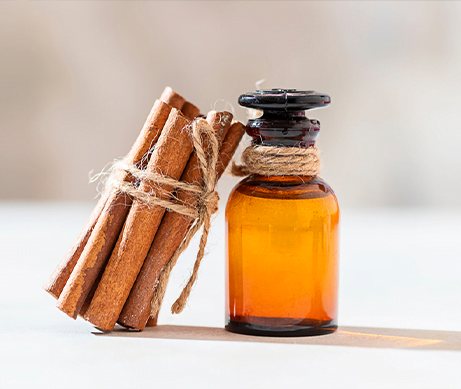
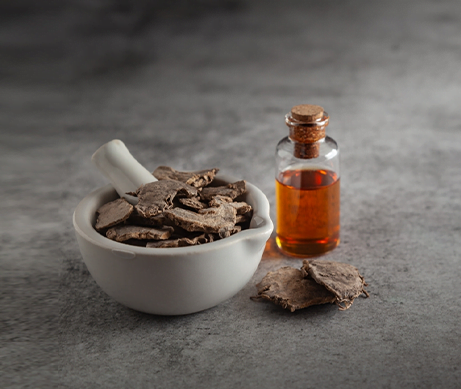
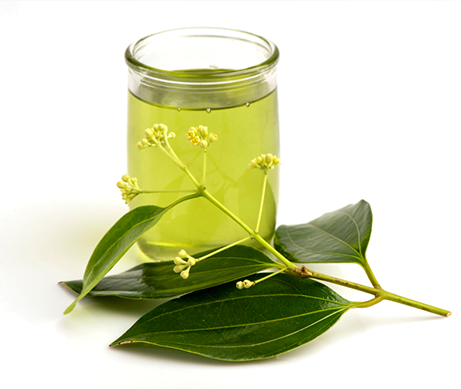
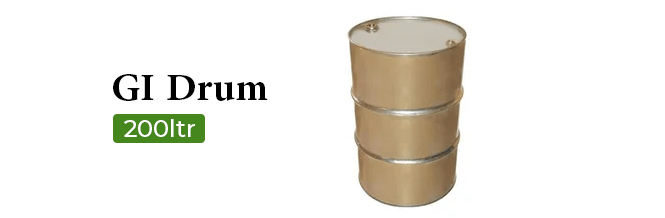
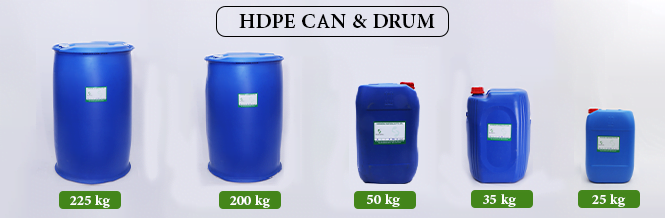
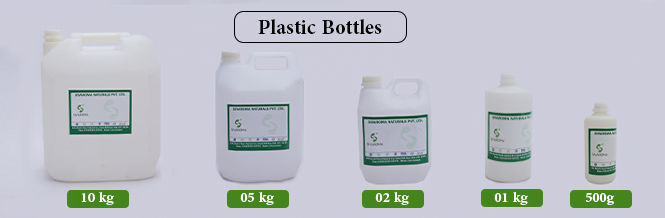
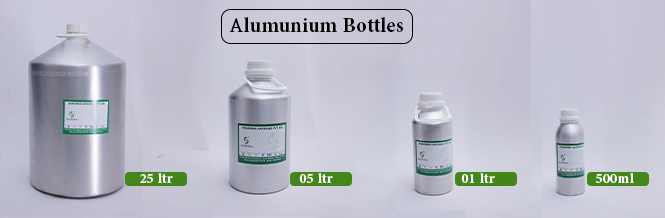
Cinnamon Bark Oil is a warm, aromatic essential oil obtained through steam distillation of the inner bark of Cinnamomum verum trees grown in Sri Lanka and parts of India. Rich in cinnamaldehyde, it carries a distinctly spicy, sweet, and balsamic scent that makes it a preferred ingredient in aromatherapy blends, skincare formulations, oral care products, and food flavoring. Its natural warming properties support healthy circulation and add depth to personal care and wellness products. Businesses sourcing cinnamon bark oil wholesale benefit from working with Sivaroma Naturals, a manufacturer backed by 25+ years of experience, 500+ product offerings, and certifications including USFDA, WHO GMP, ISO 9001:2015, Halal, and Kosher. Available in bulk packaging for brands, formulators, and global distributors.
Cinnamon bark oil is used across several industries due to its potent aroma and active compounds. In personal care, it adds warmth to soaps, lotions, and body washes. Aromatherapy brands use it in diffuser blends for its calming and circulation-boosting qualities. The food and beverage industry relies on it as a natural flavoring agent in baked goods, beverages, and confections. It also finds application in oral care products like toothpastes and mouthwashes for its antimicrobial properties. Pharmaceutical and nutraceutical companies incorporate it into wellness formulations targeting digestive and respiratory health.
The two oils come from different parts of the same tree and have distinct chemical profiles. Cinnamon bark oil is high in cinnamaldehyde, which gives it a richer, sweeter, and more intense aroma. Cinnamon leaf oil, on the other hand, contains a higher percentage of eugenol, making its scent sharper and more clove-like. Bark oil is typically more expensive due to lower yield during distillation. For premium fragrance, flavoring, and high-end personal care applications, bark oil is the preferred choice among formulators and brand developers.
Buyers should verify the oil’s purity through a Certificate of Analysis (COA) that includes GC/GCMS test results. Cinnamaldehyde content is a key quality marker and should fall within the expected range for genuine bark-derived oil. Confirm that the supplier holds recognized certifications such as USFDA, WHO GMP, ISO 9001:2015, Halal, and Kosher. Check for flexible packaging options, minimum order quantities, and the supplier’s ability to handle international shipments. A reliable supplier will also offer batch-specific documentation and consistent quality across repeat orders.
Cinnamon bark oil can be used in skincare products, but it requires careful dilution due to its high cinnamaldehyde concentration. Formulators typically use it at very low percentages, often below 0.5%, and always blended with a suitable carrier oil or base. Patch testing and adherence to IFRA (International Fragrance Association) guidelines are standard practice. When used correctly, it adds a warming sensation and pleasant fragrance to creams, balms, and massage oils. Working with a certified supplier ensures the oil meets purity and safety benchmarks required for cosmetic-grade applications.
India has a well-established essential oil manufacturing ecosystem with access to high-quality raw materials, advanced distillation facilities, and competitive pricing. Indian manufacturers often hold multiple international certifications, making their products export-ready for markets in the USA, Europe, Canada, and Gulf countries. Proximity to cinnamon-growing regions in South and Southeast Asia ensures a steady supply chain. Buyers also benefit from flexible MOQs, custom packaging, and private label services that many Indian manufacturers provide. This combination of quality, scale, and affordability makes India a preferred sourcing destination for global brands.