
Error: Contact form not found.

Bulk essential oil inventory sits on the balance sheet as working capital, and poor storage can quietly erase that value in weeks. For cosmetic manufacturers, aromatherapy formulators, and private label operators ordering by the drum, oxidation and heat damage change aroma profiles, degrade actives, and force batch rejections at the finished product stage.
This guide covers the practical mechanics of preserving large volumes of essential oils, from container choice to inventory rotation and quality monitoring. The approach reflects standards followed inside certified Indian manufacturing facilities, including Sivaroma Naturals, where 25 years of production experience and five dedicated warehouses inform the protocols below.
Essential oils are volatile aromatic compounds, reactive to oxygen, heat, UV light, and trace metals. Monoterpene rich oils such as citrus, pine, and tea tree oxidise fastest, while sesquiterpene heavy oils like patchouli, vetiver, and sandalwood hold their composition for years when stored correctly.
For B2B buyers, risks scale with volume:
Published guidance from the Tisserand Institute confirms that oxidation products in degraded citrus oils are a recognised source of contact dermatitis in finished skincare, which is why documented storage SOPs matter as much as sourcing SOPs.
Container material is the first line of defence. Not every packaging type suits every oil category, and reused drums without validated cleaning can introduce residues that fail GC/MS fingerprinting.
Stainless steel 316 is the industry standard for long term bulk holding. The International Fragrance Association recommends inert, non reactive, UV opaque containers for all aromatic raw materials. Lacquer lined aluminium is widely used for export shipments where weight matters.
Once a drum is opened, transfer the oil into smaller, headspace minimised secondary containers. Catalogues from established essential oil wholesalers typically specify recommended fill levels for each oil class, which simplifies decanting decisions.
Target storage sits between 10 and 20 degrees Celsius for most essential oils. Citrus oils benefit from refrigerated storage at 4 to 8 degrees Celsius when turnover exceeds 90 days.
Practitioner guidance from the National Association for Holistic Aromatherapy indicates that cold storage substantially extends the useful life of oxidation sensitive oils, a meaningful factor for buyers holding seasonal inventory.
Oxygen is the single biggest enemy of bulk oil quality. Each opening lets fresh air into the headspace and resets the oxidation clock. Professional practice addresses this directly:
Facilities under WHO GMP and ISO 9001:2015 protocols typically include inert gas flushing as part of the SOP for sensitive oil classes.
Bulk inventory loses value quickly without disciplined rotation. First In, First Out (FIFO) is the minimum standard. Each container should carry a legible label with:
Barcode based warehouse systems reduce picking errors and support traceability for export documentation. When sourcing from a reliable bulk natural oils supplier, every shipment should arrive with a Certificate of Analysis, GC/MS report, and material safety data sheet. These form the baseline for in warehouse comparison during retesting.
Storage without periodic testing creates hidden risk. A retest every six to twelve months, depending on oil class, catches oxidation before it reaches finished goods.
Brands running quarterly bulk audits generally report fewer finished product failures than those relying only on incoming inspection, according to 2026 practitioner surveys shared across industry trade bodies.
These errors compound over time and usually surface only when a finished product fails stability testing, at which point root cause tracing becomes expensive.
The essential oil price per kg in India varies with harvest cycles, botanical origin, and extraction method, but storage losses can quietly add 10 to 20 percent to the effective per kilogram cost when oils expire before use. Procurement teams should factor shelf life into order sizing and favour suppliers offering smaller, more frequent shipments when turnover is uncertain.
A certified manufacturer holding Halal, Kosher, USFDA, WHO GMP, ISO 9001:2015, HACCP, and FSSAI certifications adds assurance that incoming material meets consistent purity specifications. Explore the full range of carrier oils and extracts available for wholesale and private label programmes.
Protecting a bulk essential oil investment starts with sourcing from suppliers who understand the full lifecycle from distillation to decant. Sivaroma Naturals supports cosmetic, pharmaceutical, and aromatherapy brands with 500+ products, 15 tons daily manufacturing capacity, and global export to Canada, USA, Europe, and Gulf markets. For wholesale pricing or private label enquiries, contact our sales team to request a sample or the latest catalogue.
Most essential oils retain optimal quality for 2 to 3 years when stored in stainless steel 316 or amber glass containers below 20 degrees Celsius. Citrus oils are the exception, with a practical shelf life of 12 to 18 months even under cold storage. Patchouli, sandalwood, and vetiver can remain stable for 5 years or more. Shelf life depends on headspace, light exposure, and the number of times the container is opened. For B2B buyers, aligning order quantities to projected usage is more cost effective than bulk discounts on inventory that may oxidise before use.
Food grade HDPE is acceptable for short term transit of a few weeks, but not for long term storage. Essential oils dissolve many plastics, leaching compounds that contaminate the oil and compromise its therapeutic and regulatory profile. Stainless steel 316, lacquer lined aluminium, or amber glass are the materials of choice beyond one month. Trusted Essential Oil Manufacturers in India supply bulk oils in food grade stainless or lined aluminium drums with inert liners that preserve purity through international transport.
The most effective method is nitrogen or argon blanketing after each decant, which displaces oxygen from the headspace. Secondary measures include transferring oil to a smaller container once the drum reaches 25 percent capacity, sealing with the original airtight cap, and limiting the frequency of opening. Cold storage further slows oxidation, particularly for citrus and conifer oils. Export facilities often use automated decanting systems with inline nitrogen purging.
Ambient storage between 10 and 20 degrees Celsius suits most essential oils. Citrus, pine, and tea tree benefit from refrigeration at 4 to 8 degrees Celsius, particularly when turnover exceeds 90 days. Avoid temperatures above 25 degrees Celsius and sharp fluctuations, both of which accelerate chemical breakdown. Install calibrated data loggers and schedule regular HVAC maintenance. Indian exporters shipping to Gulf and European markets often use climate controlled containers to protect quality during transit.
Retest every six to twelve months, with more frequent checks for oxidation sensitive classes such as citrus and conifer oils. Core tests include GC/MS fingerprinting, specific gravity, refractive index, peroxide value, and organoleptic review. A documented retest schedule supports audits and protects finished product consistency. Certified Indian manufacturers typically supply updated COAs with each shipment as a comparison baseline.


When it comes to essential oils, we often look for ones that are strong and versatile, especially...
Read More
As autumn fades and the beautiful leaves fall, we are left with bare trees, and the crisp...
Read More
You might already know that essential oils have become very popular lately. People put them in the...
Read More
Essential oils have captured the fascination of many due to their incredible aromatic properties and potential therapeutic...
Read More
Fatigue and low energy are some of the most commonly reported issues among today's modern workforces and...
Read More
While some people rely on conventional pain relievers, many people today prefer a more holistic approach by...
Read More
The self-care landscape has changed in a significant way over the last few years. More people are...
Read More
In 2022, the global market for essential oils was valued at approximately $8.8 billion. It is expected...
Read More
Pregnancy is a joyful and life-changing time. But sometimes, it also becomes stressful because it comes with...
Read More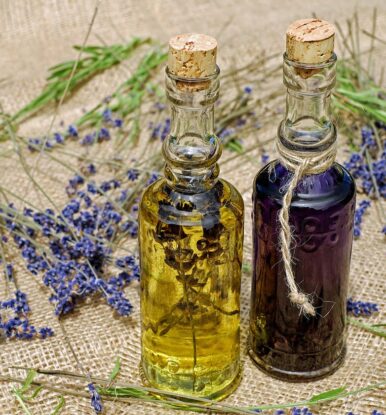
Derived from the lavender plant (Lavandula Angustifolia), the lavender essential oil is widely known for providing a...
Read More
In the natural oils industry, the words 'absolute oil' and 'essential oil' are more or less used...
Read More
Essential oils have become an integral part of our daily lives, especially in holistic health practices, skincare,...
Read More
Many people use essential oils for things like easing headaches, calming down during meditation or simply making...
Read More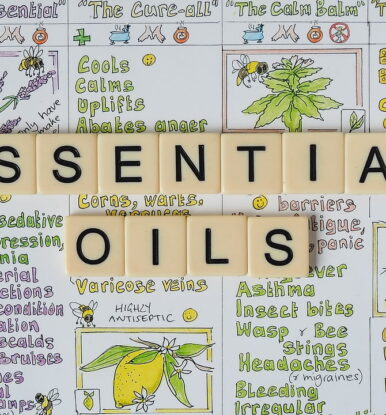
The essential oil quality is of prime importance for consumers as well as businesses that use the...
Read More
Natural oils have long been an essential part of skincare traditions across cultures for centuries. When oils...
Read More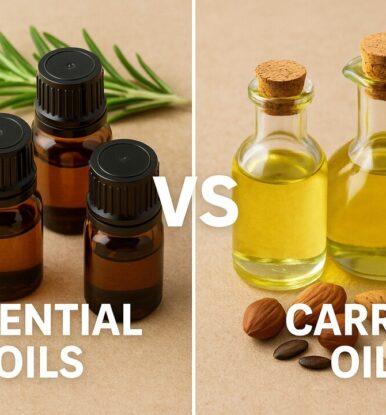
Oils have significantly gained popularity and have become an essential part of our lives. From being present...
Read More
The coconut tree is referred to as the "Tree of Life" and people have been using its...
Read More
Essential oils are highly concentrated forms of the plant’s beneficial aromatic components or those created during the...
Read More
Many people are turning to natural remedies to enhance their overall well-being. Aromatherapy is one such practice...
Read More
In our fast-paced world, quality sleep often takes a backseat. Stress, anxiety, and the overwhelming demands of...
Read More